

From Diagnosis to Treatment: The Role of Cardiac Medications in Pet Heart Disease
Discovering that your dog or cat needs heart medication can bring a rush of questions, especially when names like pimobendan, diuretics, and ACE inhibitors are suddenly part of daily life. Heart disease is understandably emotional for families, yet the encouraging news is that modern treatment can greatly improve comfort, support heart function, and help pets stay active longer. At Bayview Animal Hospital, our team uses careful diagnostics to understand exactly how a pet’s heart is working so we can guide owners through every step with clarity and confidence. Our in-house diagnostic testing delivers rapid results, and when needed, we utilize a reference laboratory for more advanced testing to catch early disease.
As a locally owned practice, we believe in caring for pets the right way, which means combining personalized medicine with the tools needed to manage chronic conditions. If you’re worried about new symptoms or have questions about your pet’s heart care, our compassionate team is here to help. You can always request an appointment so we can take a closer look and build a thoughtful treatment plan together.
What You Need to Know About Cardiac Medications for Your Pet
When your veterinarian explains a new heart diagnosis, it’s normal to feel overwhelmed by unfamiliar terms. You might wonder: Will these medications help? How do they work? What should I watch for at home?
Today’s cardiac treatments can make a real difference. Many pets live comfortably for months or years after diagnosis, enjoying walks, playtime, and quiet moments with their families. Understanding the basics helps you feel confident and engaged in your pet’s care.
Understanding Heart Conditions That Require Medication
Common Heart Diseases in Dogs and Cats
Heart disease looks different in dogs and cats, and medication plans are tailored accordingly. Dogs commonly develop mitral valve disease, where a leaky heart valve makes the heart work harder and can lead to fluid in the lungs. This condition is especially common in older, small-breed dogs like Cavaliers, Dachshunds, and Toy Poodles.
Cats often face hypertrophic cardiomyopathy, where the heart muscle thickens and pumps less efficiently. Some develop dilated cardiomyopathy or restrictive cardiomyopathy, which affect how the heart fills and contracts. Cats with hyperthyroidism are also prone to heart muscle thickening.
Both species can have congenital heart disorders like patent ductus arteriosus, a vessel that stays open after birth. Sick sinus syndrome, which affects the heart’s natural pacemaker, is common in Schnauzers. Arrhythmias are seen in both cats and certain dog breeds like Boxers and Dobermans.
Routine wellness exams help catch concerns early, so medications can be started at the most effective time. At Bayview Animal Hospital, we emphasize annual physical exams and preventative care with head-to-toe exams for early ailment detection.
How Do Veterinarians Diagnose Heart Disease?
Advanced Cardiac Diagnostics That Guide Treatment
Accurate diagnosis is essential because different heart conditions require different medications. We use several tools to build a complete picture of your pet’s cardiac health.
Echocardiograms use ultrasound to visualize heart structure in real time. We can measure chamber size, assess how well valves are working, and evaluate pumping strength. This information helps us determine which medications will be most effective for your pet’s specific condition.
Electrocardiograms record the heart’s electrical activity to identify rhythm abnormalities. Some arrhythmias are mild, while others need medication to prevent dangerous complications.
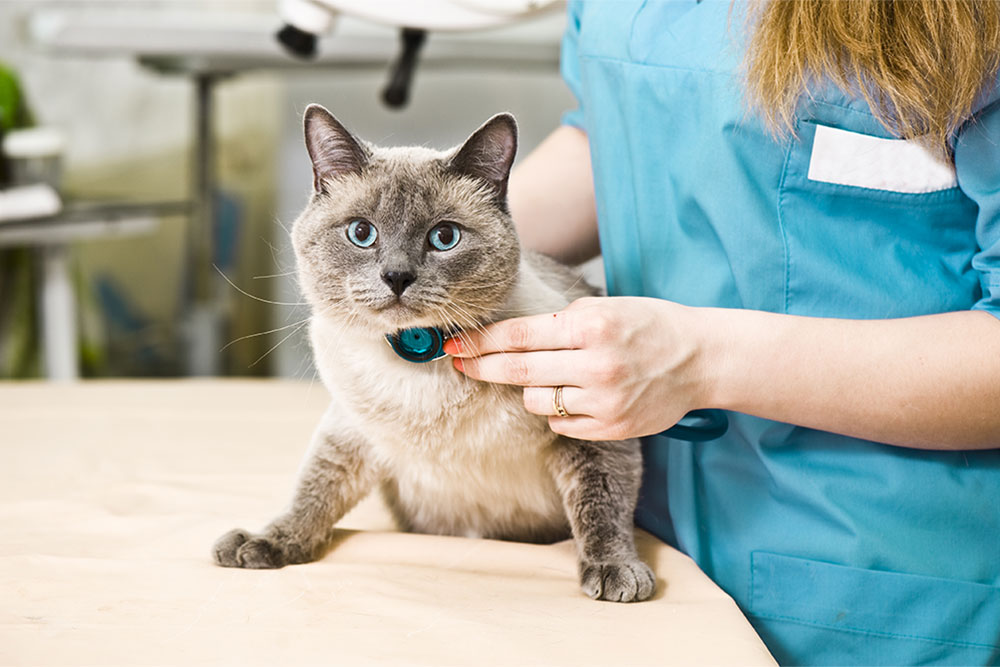
Chest X-rays show heart size and shape and help us spot fluid in the lungs. During physical exams, we listen carefully with a stethoscope. Detecting heart murmurs often prompts further testing to understand what’s happening inside the heart.
Combined with bloodwork and a thorough physical exam, these tools help us monitor treatment effectiveness over time and adjust medications as needed. Our digital imaging and in-house laboratory allow us to assess your pet’s heart health quickly and guide treatment decisions.
Recognizing When Your Pet Needs Help
What Are the Early Warning Signs of Heart Disease?
Catching heart disease early gives us more treatment options and better outcomes. Recognizing the heart disease signs in dogs and cats helps you know when to schedule an evaluation.
In dogs, watch for:
- Persistent cough, especially at night or after excitement
- Tiring more quickly on walks
- Reduced exercise ability where dogs who once enjoyed long walks now lag behind or want to stop sooner
- Restlessness or difficulty settling at night
Cats show subtler signs. They rarely cough, but panting in cats is always urgent and requires immediate attention. Other signs include rapid or labored breathing, hiding more than usual, and decreased appetite.
If you notice these changes, don’t wait. Early intervention helps maintain comfort and can slow disease progression.
When Does Heart Disease Become an Emergency?
Congestive heart failure occurs when the heart can no longer pump effectively enough to meet the body’s needs. Fluid accumulates in the lungs, abdomen, or both, making breathing difficult.
Critical warning signs requiring immediate care:
- Resting breathing rate over 40 breaths per minute while sleeping
- Labored breathing or open-mouth breathing, especially in cats
- Coughing that worsens at night or when lying down
- Pale or blue gums indicating poor oxygen levels
- Weakness or collapse
- Distended abdomen from fluid accumulation
- Sudden appetite loss or weight changes
Respiratory distress with gasping, extreme restlessness, or struggling to breathe is always an emergency. If you see these signs, contact us or seek emergency care immediately. Early intervention during CHF episodes can stabilize pets and prevent life-threatening complications.
How Pimobendan Strengthens Your Pet’s Heart
Why Pimobendan Is Often a First-Line Medication
Pimobendan helps the heart in two ways: it boosts the strength of each heartbeat and relaxes blood vessels so blood flows more easily. This reduces strain and improves oxygen delivery to the body.
It’s a cornerstone for dogs with congestive heart failure from mitral valve disease or dilated cardiomyopathy. Starting at the right stage can delay worsening signs and extend quality time. Some dogs benefit from beginning it before symptoms appear.
Typically given twice daily on an empty stomach, pimobendan works best when dosing is consistent. Cats may receive it in select cases, though it isn’t appropriate for every feline condition. We’ll help you fit it into your routine so your pet gets the full benefit.
What to Expect and How to Give It Safely
Improvements are usually gradual over days to weeks. Many pets breathe easier and regain energy. Side effects are uncommon and generally mild, like decreased appetite or soft stool. If you miss a dose, give it when you remember unless it’s close to the next one. Don’t double up doses. Plan regular rechecks so we can adjust as needed and track progress over time.
Managing Fluid Buildup With Diuretics
Why Diuretics Like Furosemide Matter
As heart disease advances, fluid can collect in the lungs or abdomen, causing coughing, fast breathing, and belly swelling. Diuretics, or “water pills,” help the body remove excess fluid through urination.
Furosemide is commonly used because it works quickly, often easing breathing within hours. Doses are individualized and may change over time, ranging from once daily to two or three times daily depending on your pet’s needs. Sometimes we add spironolactone, which works differently and helps support normal potassium levels.
Cats and dogs respond differently, so we start with careful dosing and adjust based on response. Regular bloodwork helps ensure kidneys and electrolytes stay in a healthy range during treatment. Our in-house diagnostic testing allows us to monitor these values quickly and make timely adjustments to keep your pet safe.
The Role of ACE Inhibitors in Cardiac Care
How ACE Inhibitors Support the Heart and Kidneys
ACE inhibitors such as enalapril, benazepril, and lisinopril reduce the effects of a hormone system that tightens blood vessels and causes fluid retention. By relaxing vessels and easing systemic hypertension, they lower the heart’s workload.
These medications are well-studied in dogs with congestive heart failure and can improve comfort and longevity. Cats may benefit too, particularly those with high blood pressure. They’re usually given once or twice daily and are well tolerated, but we monitor kidney values and electrolytes with routine bloodwork.
If side effects like decreased appetite, vomiting, or lab changes occur, we’ll adjust the plan to keep your pet safe and comfortable.
Additional Medications for Specific Heart Conditions
Beta-Blockers and Antiarrhythmics: When and Why
Some pets need extra support for heart rate or rhythm. Beta-blockers like atenolol slow the heart and reduce oxygen demand, which can help cats with hypertrophic cardiomyopathy and dogs with certain rhythm problems.
These medications require careful dosing to avoid excessive tiredness or abnormally low heart rates. Weakness or faintness warrants prompt veterinary contact.
Antiarrhythmic drugs help stabilize abnormal rhythms that can be dangerous if untreated. The choice depends on the specific rhythm found during testing. We’ll start carefully, monitor response, and adjust to find the safest, most effective dose.
Combining Medications for the Best Results
ACE inhibitors work best alongside pimobendan and diuretics. Each medication helps in a different way, creating a balanced plan that adapts as your pet’s needs change. Today’s range of heart disease medications gives us flexibility to tailor care. No two pets have the same plan, because no two hearts fail in exactly the same way.
Expect adjustments over time. Increasing a dose, changing timing, or adding a medication doesn’t mean failure. It reflects the progressive nature of heart disease and our goal to maintain comfort and quality of life.
We’ll partner with you to review your home observations and our exam findings, then fine-tune the plan together.
Home Monitoring Tips That Make a Big Difference
Your role matters: noticing small changes, asking questions, and sharing what you see at home. If you’re struggling with giving pills, worried about side effects, or curious about why a drug was chosen, we’re here to explain and make it easier. You’re a crucial part of your pet’s care team.
Counting resting breaths is one of the most valuable things you can do at home. Here’s how to track your pet’s status:
- Resting respiratory rate: Count breaths for one minute when your pet is sleeping. Normal is usually 15 to 30. Over 40 can signal fluid buildup and needs veterinary attention.
- Body weight: Weigh weekly if possible. Sudden gain can mean fluid retention; quick loss can mean too much fluid removal or reduced appetite.
- Appetite and energy: Note changes in eating habits and activity level.
- Coughing patterns: Track frequency and timing, especially at night.
Always ensure fresh water is available since cardiac medications increase thirst and urination. If you notice breathing changes, decreased appetite, lethargy, weakness, or vomiting, contact us. Early adjustments can prevent emergencies.
Can Pets With Heart Disease Still Exercise?
It might seem counterintuitive, but appropriate exercise can benefit pets with heart disease when done correctly. For dogs with early or well-managed disease, gentle activity helps maintain muscle tone, supports healthy weight, improves circulation, and enhances quality of life.
Heart-healthy exercise for cardiac patients includes:
- Short, leisurely walks at your dog’s pace
- Gentle swimming in warm water if your pet enjoys it
- Slow-paced play sessions that avoid overexertion
- Indoor activities on days when weather or symptoms make outdoor exercise difficult
The critical rule: let your pet set the pace. Stop immediately if you notice fatigue, increased breathing, coughing, or reluctance to continue. Avoid strenuous exercise, hot or humid conditions, and activities that cause excitement or stress. Multiple short sessions often work better than one longer walk.
We’ll discuss appropriate exercise at each recheck visit and adjust recommendations based on your pet’s current condition and symptoms.
FAQs: Quick Answers for Pet Owners
What’s the first sign I should act on at home? Fast or labored breathing at rest, new or worsening cough in dogs, or any panting in cats. Call us right away.
How can I track breathing safely? Count breaths for a full minute while your pet sleeps. Keep notes daily. Over 40 at rest is concerning and warrants a call.
Will my pet be on heart meds for life? Often yes, but doses and combinations change over time. The goal is comfort, function, and good days together.
What if I miss a dose? Give it when you remember unless it’s close to the next dose. Don’t double up. If you’re unsure, call us.
Can diet or other therapies help? Nutrition, gentle activity, and stress reduction support heart health. Ask us about individualized suggestions at your next visit.
Moving Forward Together With Confidence and Hope
Heart disease is serious, but it isn’t the end of your pet’s happy, comfortable life. With the right mix of medications like pimobendan, diuretics, and ACE inhibitors, many pets enjoy more good days, easier breathing, and better energy.
Success is a team effort. We provide diagnostics, medication guidance, and follow-up; you provide daily care, observations, and love. Together, we can adapt treatment as needs change and keep your pet feeling their best.
At Bayview Animal Hospital, we’re here to help you every step of the way, from diagnosis to long-term management. Have questions about breathing changes, coughing, or medication timing? Contact us or request an appointment today. We’ll partner with you to support your pet’s heart health, ease your worries, and create a plan that fits your family.





Leave A Comment