
How Can You Tell If Your Pet’s Allergic Reaction Is an Emergency?
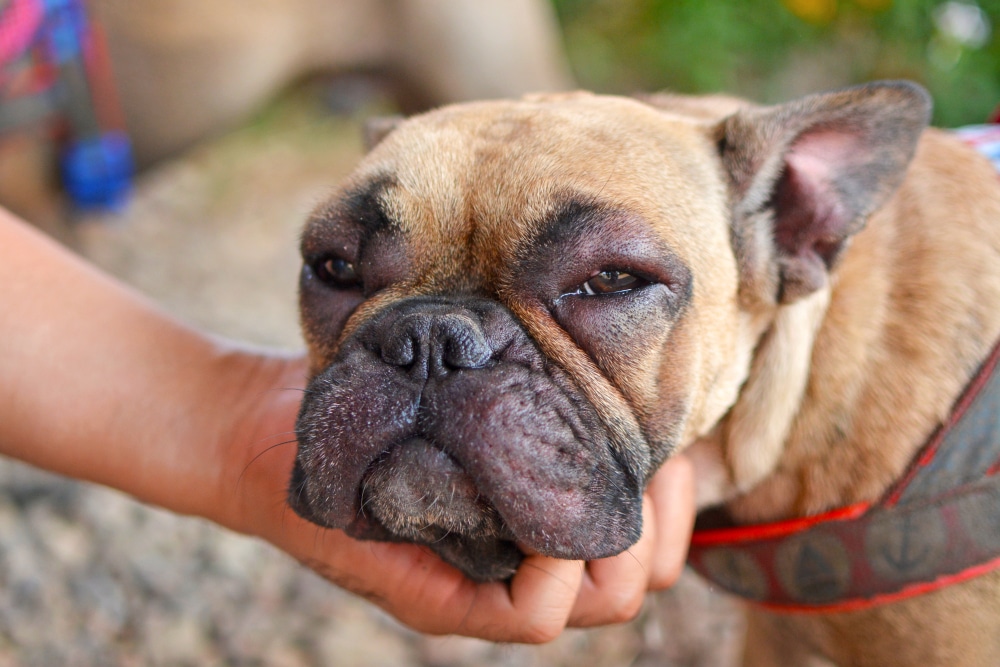
One moment your dog is happily rolling in the grass, and the next their muzzle is swelling, they are pawing at their face, or their breathing sounds off. Is this something that will pass on its own, or does your pet need emergency care right now? Allergic reactions in dogs and cats cover a wide range of severity, from mild skin irritation to life-threatening anaphylaxis, and the early signs are not always easy to interpret. Understanding what you are seeing helps you act quickly and confidently when every minute matters.
At Bayview Animal Hospital, our team triages urgent allergy cases as soon as you walk through the door, using in-house diagnostics, thorough examinations, and digital imaging to assess severity quickly. If your pet is showing concerning signs, call us first and head in so we can prepare. You can always contact us for guidance or request an appointment for same-day evaluation.
What Are the Most Common Allergen Triggers in Dogs and Cats?
Your pet’s immune system is designed to protect them from genuine threats like bacteria and viruses, but sometimes it overreacts to harmless substances, creating symptoms that range from itchy skin to serious breathing difficulties. Knowing your pet’s likely exposures helps you identify patterns early and supports prevention strategies.
Common trigger categories include:
- Environmental allergens: Environmental allergens like pollen, dust mites, and mold are especially persistent in Saint Petersburg’s warm, humid climate. Many pets react seasonally in spring and fall, but year-round exposure is common here.
- Insect bites and stings: Flea saliva is one of the most frequent causes of intense allergic itching, and a single bite is enough to trigger a reaction. Bee stings, wasp stings, and fire ants are also common culprits in coastal Florida.
- Food sensitivities: Certain food proteins like chicken, beef, or dairy can cause skin problems, digestive upset, or both.
- Medications and vaccines: Antibiotics and other drugs occasionally cause allergic responses, though this is relatively uncommon.
We discuss exposure history, skin changes, and seasonal patterns during wellness visits and can coordinate allergy testing through our comprehensive services.
How Do Allergic Reactions Range From Mild to Life-Threatening?
What Is the Difference Between Hives, Respiratory Allergies, and Anaphylaxis?
Not all allergic reactions look or behave the same way, and how quickly symptoms develop is one of the most important clues about severity.
Hives are raised, itchy welts that appear on the skin, sometimes with facial puffiness. They are uncomfortable but typically not dangerous on their own, though they need monitoring in case they progress.
Anaphylaxis is an entirely different situation. It is a severe, whole-body reaction where blood pressure drops suddenly, airways narrow, and organs lose adequate oxygen. Anaphylaxis in dogs often presents as vomiting, diarrhea, pale gums, weakness, or collapse. Anaphylaxis in cats can be harder to recognize because cats show subtler signs like drooling, restlessness, or sudden open-mouth breathing.
When symptoms appear rapidly and involve more than one body system (skin plus digestive, or skin plus respiratory), always treat it as urgent.
What Symptoms Should You Watch For, and Which Are Emergencies?
Recognizing allergy symptoms early gives you time to respond before things escalate. Here is how to sort common signs from red flags.
Signs that need monitoring but are not usually emergencies:
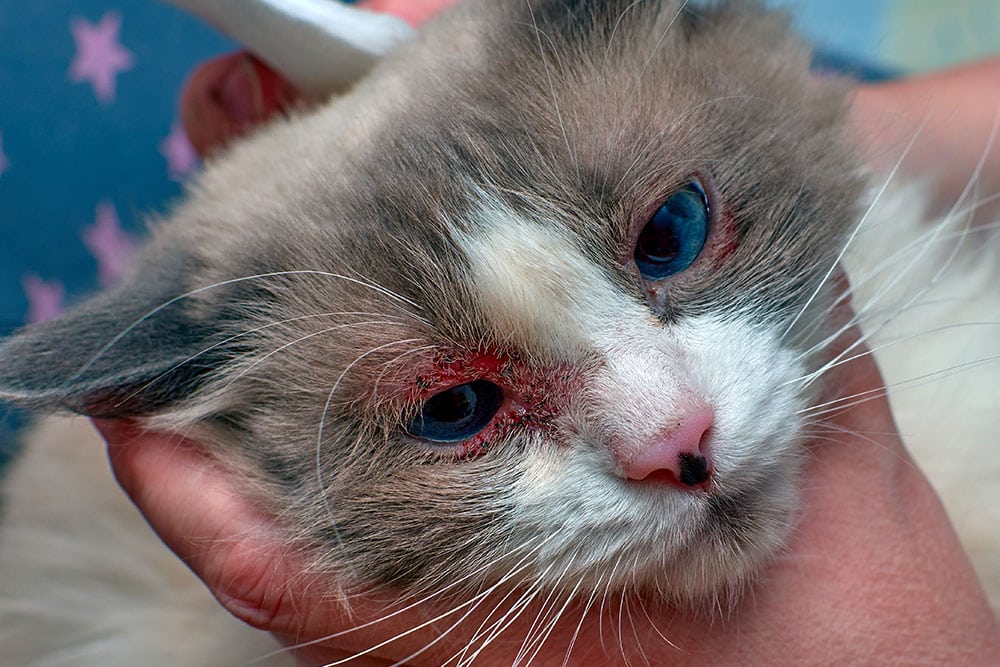
- Facial swelling around the eyes, muzzle, or ears
- Red, watery eyes or squinting
- Sudden intense scratching or licking
- Raised welts or bumps on the skin
- A single episode of vomiting or mild stomach upset
- Restlessness or changes in behavior
Emergency symptoms requiring immediate veterinary attention:
- Difficulty breathing, rapid shallow breaths, or gasping
- Open-mouth breathing in cats, which always signals distress
- Collapse or extreme weakness
- Severe or rapidly spreading throat or tongue swelling
- Persistent vomiting or diarrhea lasting more than an hour
- Pale or blue gums, or a weak or racing pulse
You can check gum color by gently lifting your pet’s lip. Healthy gums are pink and moist, while pale, white, or bluish gums indicate poor circulation and need immediate attention. Trust your instincts. If something feels wrong, contact us so our team can prepare for your arrival.
What Should You Do at Home During a Suspected Allergic Reaction?
If breathing is affected at any point, head to a veterinarian immediately. When signs are mild, keeping your pet calm and collecting helpful details gives your vet a head start on treatment.
- Remove the trigger if possible. Move your pet away from the area and rinse visible pollen or residue from their coat with cool water.
- Keep your pet still and calm. Physical activity raises heart rate and can worsen the reaction.
- Prevent self-injury. An Elizabethan collar or soft recovery collar limits skin damage from intense scratching.
- Document what you see. Note the time symptoms started, any recent foods or products, and how signs are changing. Photos of swelling or skin changes are extremely helpful.
- Do not give human medications unless your veterinarian has specifically approved a product and dose for your pet. Some antihistamines are safe at the right dose, but others contain ingredients that are toxic to pets.
- Call ahead. If symptoms are worsening, call us on the way in so we can have treatment ready. If signs are mild and stable, request an appointment for same-day assessment.
When Does an Allergic Reaction Become a Veterinary Emergency?
Seek emergency care when breathing is getting worse over minutes, swelling is spreading rapidly on the face or neck, symptoms are appearing across multiple body systems at once, your pet collapses, or signs continue despite removing the trigger.
When your pet arrives, we stabilize breathing and circulation first, then address inflammation and discomfort. Treatment may include oxygen therapy, IV fluids to maintain blood pressure, antihistamines or corticosteroids, and anti-nausea or pain medications when needed. In severe anaphylaxis, epinephrine is administered under careful monitoring.
Most mild reactions resolve quickly with appropriate care, while severe cases may require overnight hospitalization. If you think your pet is heading toward an emergency, contact us immediately or head to a veterinary ER.
How Can You Prevent Future Allergic Reactions?
The most reliable approach to reducing flare-ups combines consistent daily habits, parasite control, and regular veterinary checkups.
- Skin and coat care: Regular grooming removes pollen, dust, and salt spray from your pet’s coat. Even a weekly rinse can significantly lower allergen load in our coastal climate.
- Parasite prevention: Flea allergy dermatitis can be triggered by a single bite, and Saint Petersburg’s climate supports fleas in every season, making year-round parasite prevention
- Emergency preparedness: For pets with known severe reactions to insect stings, your veterinarian may recommend keeping epinephrine at home with clear instructions on when and how to use it.
- Allergy testing and immunotherapy: Blood or intradermal skin testing can identify specific triggers, and immunotherapy can gradually reduce your pet’s sensitivity over time.
- Itch management: Apoquel and Cytopoint help manage itching and discomfort during allergic episodes, significantly improving quality of life for pets with chronic allergies.
We tailor prevention plans to your pet’s specific triggers, age, and lifestyle.
How Can Diet and Environment Changes Reduce Allergy Flare-Ups?
Targeted changes at home can meaningfully reduce how often and how severely your pet reacts.
For suspected food allergies, elimination diet trials using novel or hydrolyzed proteins are the gold standard. These last 8 to 12 weeks and require strict compliance: only the prescribed food and water, with no treats or table scraps. If symptoms improve during the trial and return when the old diet is reintroduced, that confirms a food allergy.
For environmental management, HEPA vacuuming traps small particles, washing bedding weekly in hot water reduces dust mites, and keeping indoor humidity between 30 and 50 percent limits mold growth. Bathing with topical therapies for allergic skin containing omega fatty acids strengthens the skin barrier and helps prevent severe reactions.
Allergies also frequently inflame ear canals and create conditions for secondary infections. Routine ear cleaning with veterinary-approved solutions helps keep infections at bay between visits. Our clinicians can build a step-by-step plan.
Can Pets Have Allergic Reactions to Vaccines or Medications?
Most pets experience nothing more than temporary tiredness or mild injection site soreness after vaccines. But vaccination reactions can occasionally be more serious, and knowing what to watch for helps you respond appropriately.
Mild effects like sleepiness, tenderness, or a slight fever are normal and typically resolve within a day. Vomiting, diarrhea, facial swelling, hives, or breathing trouble are not expected and should prompt an immediate call. Most reactions appear within hours, though some develop up to 48 hours later.
If your pet has a history of reactions, we may recommend premedication or adjusted vaccination schedules. Sharing your pet’s complete medical history with our team helps us personalize their plan and balance protection with safety.
Frequently Asked Questions
What is the difference between hives and anaphylaxis? Hives are raised, itchy welts on the skin that are uncomfortable but usually not dangerous. Anaphylaxis is a sudden, whole-body reaction that can cause breathing problems, blood pressure drops, and organ failure. Hives can sometimes progress to anaphylaxis, which is why monitoring matters.
When should I seek emergency care? Immediately if you see breathing difficulty, severe facial or throat swelling, collapse, pale gums, or persistent vomiting or diarrhea.
Can I give my pet human antihistamines at home? Never without veterinary guidance. Some are safe at specific doses, but others contain toxic ingredients. If your pet has a history of reactions, ask us in advance about the right medication and dose to keep on hand.
How do I know if my pet has a food allergy? A veterinarian-guided elimination diet trial lasting 8 to 12 weeks is the most reliable method. Symptom improvement during the trial followed by a return of signs when the old diet is reintroduced confirms a food trigger.
Do I really need flea prevention year-round in Florida? Yes. Our climate supports fleas in every season, and a single bite can trigger an intense allergic response in sensitive pets.
Protecting Your Pet Starts With Knowing What to Watch For
Allergic reactions deserve quick attention whether they cause mild skin irritation or life-threatening anaphylaxis. The signs that always require immediate action are rapidly spreading facial swelling, worsening breathing, collapse, and persistent vomiting. We know how stressful these moments are, and our team is ready to help with both urgent needs and long-term allergy management.
If your pet is having a reaction now, contact us immediately or go to your closest veterinary emergency hospital. To build a prevention plan or ask questions about managing a sensitive pet, request an appointment and our team will take it from there.