
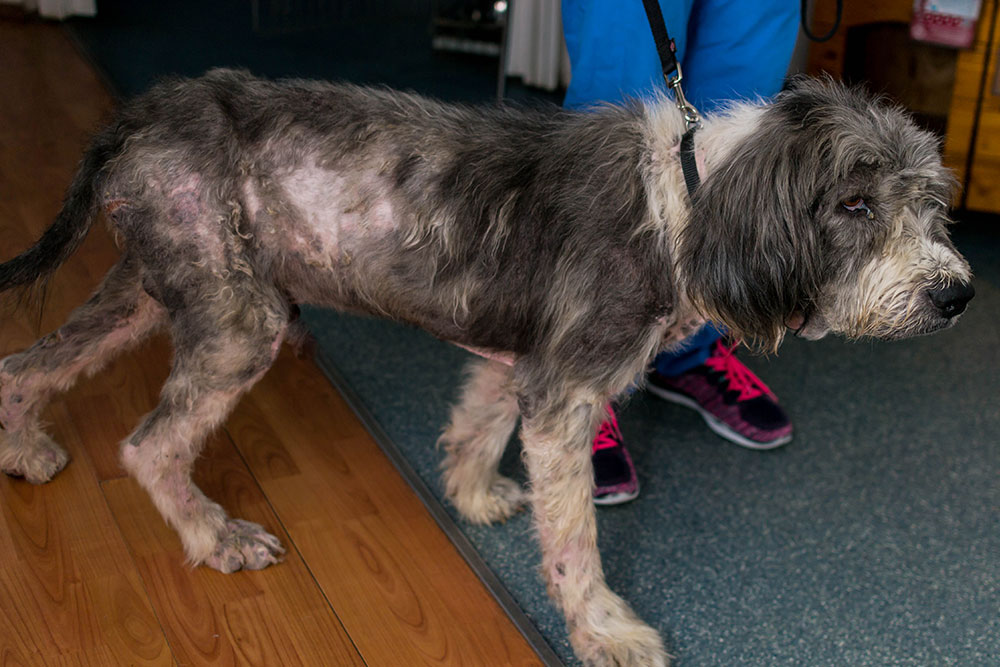
Thyroid, Allergies, or Something Else? Diagnosing Pet Hair Loss
Patchy fur, thinning coats, or bald spots can be worrying, especially when they appear slowly or without obvious itching. Hair loss in dogs and cats can point to very different issues, from allergies or infections to hormonal changes. In many pets, the pattern of hair loss tells a story that helps separate skin-related causes from hormone-related ones. Remember, alopecia is a sign, not a diagnosis.
At Bayview Animal Hospital in Saint Petersburg, our locally owned team takes a thoughtful, thorough approach to hair loss. We use complete exams and in-house diagnostics to find what’s really going on beneath the surface. As a full-service small animal practice, we support pets at every life stage. If coat changes have you concerned, request an appointment or contact our team to talk through next steps.
Why Does Hair Loss Happen in Pets?
Alopecia has many causes that affect the skin, hormones, immune system, or behavior. Unlike normal shedding, alopecia shows up as bald spots, symmetrical thinning, or areas where hair doesn’t grow back.
Not all hair loss looks the same. Some pets have red, scaly skin with missing fur, while others have smooth bald patches without irritation. Cats may overgroom their bellies or legs, and dogs may develop circular patches or matching hair loss on both sides.
If your pet’s coat changes are persistent, worsening, or paired with itching, lethargy, or weight changes, a visit helps catch the cause early.
What Triggers Coat Loss in Dogs and Cats?
Alopecia is a symptom of something else. We consider the pattern, other signs, and your pet’s history, then use testing to pinpoint whether the cause is allergies, parasites, hormones, infections, genetics, stress, or nutrition.
At Bayview Animal Hospital, our comprehensive diagnostic services include physical exams, in-house testing, and reference lab work when needed. Knowing the cause lets us treat effectively instead of guessing.
Allergies and Itch-Driven Hair Loss
Environmental allergens, food sensitivities, and flea reactions are common triggers. When a pet’s immune system overreacts to pollen, dust mites, certain proteins, or even one flea bite, inflammation and intense itch can follow. Allergies can show up as ear infections, paw licking, belly redness, scratching, chewing, or rubbing- and cats often overgroom until fur disappears. Reducing allergen exposure, consistent parasite prevention, and vet-guided skin care all help.
If your pet’s hair loss seems tied to scratching or grooming, schedule an appointment. We can assess triggers and create a plan that fits your pet.
Parasites and Skin Infections
Even indoor pets can get parasites that cause hair loss. Fleas are the most common, but mites in dogs like demodex and sarcoptes can do damage. Demodex may cause scaly patches with hair loss, while sarcoptic mange causes severe itch and crusty skin.
Flea allergy is common in cats, where even a few fleas trigger intense grooming and hair loss. Ringworm, a contagious fungal infection, creates circular bald patches with scaly edges.
Diagnosis may include skin scrapings, cytology, or fungal cultures. Year-round parasite prevention is essential in coastal Florida’s warm, humid climate. Our team can quickly identify and treat these issues with in-house testing.
Hormonal Imbalances and Symmetrical Hair Loss
Symmetrical hair loss on both sides with normal-looking skin and minimal itch often points to hormones. Hormone issues can slow hair growth and cause gradual thinning.
Hypothyroidism in dogs can cause weight gain, low energy, and a dull, thinning coat. Cushing’s disease can cause symmetrical hair loss, a pot-bellied look, more thirst, and fragile skin.
In intact male dogs, testicular tumors may alter hormones and affect the coat. Cats are less likely to have hormone-related hair loss, but hyperthyroidism and diabetes can affect coat quality.
Diagnosing hormone issues requires blood work. We use in-house and reference labs to evaluate endocrine health. Noticing symmetrical loss or changes in drinking or appetite? Contact us to discuss screening.
Breed-Specific and Genetic Patterns
Some breeds have genetic hair loss patterns that aren’t linked to illness. Color dilution alopecia affects dilute coat colors like blue or fawn, leading to progressive thinning. Breeds such as Doberman Pinschers, Italian Greyhounds, and Weimaraners are often affected.
Flank alopecia, or seasonal alopecia, causes hair loss on the sides during certain times of year, especially in Boxers, Bulldogs, and Airedales. Hair may regrow on its own.
These conditions are usually benign, but it’s still important to rule out other causes. Our team recognizes breed-specific patterns and can advise whether more testing is needed.
Stress and Behavioral Overgrooming
Cats commonly develop stress-related hair loss when anxiety triggers excessive grooming. This “psychogenic alopecia” often causes baldness on the belly, inner thighs, or forelegs without skin disease. Common feline life stressors include new pets, moves, schedule changes, or boredom.
Dogs can overgroom from anxiety too, though less often. Reducing stress with enrichment, routine, and behavior support can help.
If you suspect anxiety is involved, schedule a wellness visit so we can rule out medical causes and build a simple, effective plan.
Nutrition and Coat Maintenance
Balanced nutrition supports skin and hair growth. Deficiencies in protein, healthy fats, or certain vitamins can lead to dull coats and slow regrowth. Regular grooming spreads natural oils, removes dead hair, and helps you spot changes early.
Harsh shampoos or over-bathing can irritate skin. Choose gentle, vet-recommended products and keep a consistent grooming routine. For mild or diffuse hair loss, reviewing diet and grooming habits is a smart first step.
How We Diagnose the Cause of Hair Loss
We start with a detailed history and a full physical exam. We look at where and how the hair is thinning, ask about itch, behavior, diet, and exposure to other animals, and note any changes in energy or weight. Symmetrical hair loss can suggest hormone causes, while patchy areas often point to parasites, infections, or allergies.
Depending on what we find, we may recommend targeted tests. These can include skin scrapings for mites, cytology for bacteria or yeast, fungal culture for ringworm, and blood work to assess thyroid, adrenal function, and overall health. If a food allergy is suspected, an elimination diet using carefully selected proteins may be part of the plan.
With our in-house diagnostic testing for rapid results and reference lab access for advanced testing, we pursue answers efficiently and avoid unnecessary treatments. Our digital imaging capabilities, including x-rays, help us evaluate any underlying conditions that may contribute to skin and coat changes. If your pet has unexplained hair loss, request an appointment for a complete skin evaluation.
Treatment Approaches Based on the Cause
Once we identify the cause, we tailor treatment so your pet gets relief and healthy regrowth.
Allergic skin disease
- Reduce allergen exposure when possible
- Prescription therapies to control itch and inflammation
- Year-round flea prevention
- Dietary trials if food sensitivities are suspected
Parasitic or infectious causes
- Targeted treatments for fleas or mites
- Antifungals for ringworm
- Medications for secondary bacterial or yeast infections
- Environmental cleaning to prevent reinfection
Endocrine disorders
- Thyroid hormone supplementation for hypothyroidism
- Medical management for Cushing’s disease; surgery only when appropriate
- Neutering for hormone-producing tumors when indicated
- Regular follow-up blood work
Stress-related overgrooming
- Environmental enrichment and routine support
- Behavior strategies and, if needed, anxiety-reducing therapies
- Check for medical issues that can worsen anxiety
Genetic or breed-related patterns
- Supportive skin and coat care
- Sun protection for seasonal alopecia
- Monitor for secondary infections
Follow-up visits help us track regrowth and adjust the plan. Our goal is to fix the root cause and keep your pet comfortable and thriving.
Keeping Your Pet’s Skin and Coat Healthy
Simple habits make a big difference over time:
- Use year-round parasite prevention for fleas, ticks, and mites
- Feed a complete, balanced diet for your pet’s life stage
- Brush regularly to remove loose hair and spot changes early
- Choose gentle, veterinary-approved shampoos and conditioners
- Schedule annual wellness visits to catch small issues early
Coastal Florida’s warm, humid climate is ideal for parasites and fungal growth. Consistent prevention and routine exams are especially important for pets in the Saint Petersburg area. Our team emphasizes proactive care with thorough head-to-toe exams and modern diagnostics to protect your pet’s skin health and detect early signs of internal disease that may affect coat quality.
FAQs: Quick Answers About Pet Hair Loss
Is hair loss always from allergies?
No. Allergies are common, but parasites, infections, hormones, genetics, stress, and nutrition can all play a role. A vet exam helps narrow it down.
How do I know if it’s normal shedding or alopecia?
Shedding is even and seasonal. Alopecia causes bald spots, clear thinning, or areas where hair doesn’t regrow. If you’re unsure, book a visit.
Can indoor pets still get fleas or mites?
Yes. Fleas can hitchhike indoors and mites can easily be transferred from other animals or come inside. Year-round prevention is key, especially in Florida.
When should I call the vet?
If hair loss is spreading, your pet is itchy or uncomfortable, or you notice changes in weight, thirst, or energy, schedule an appointment.
Finding Answers for Your Pet’s Hair Loss
Most cases improve once we identify and treat the cause. Whether the trigger is allergies, parasites, hormones, genetics, or stress, getting a clear diagnosis is the fastest path to healthy regrowth.
If you’ve noticed new bald spots, persistent itching, or changes in coat texture, we’re here to help. At Bayview Animal Hospital, we care for pets like our own and guide you every step of the way. Contact our team or schedule an appointment today so we can build a simple, effective plan for your pet’s skin health.