
When a pet’s immune system turns on its own red blood cells or platelets, the results can be alarming and swift. Immune-mediated hemolytic anemia and immune-mediated thrombocytopenia are among the more serious conditions a dog or cat can face, capable of causing dangerous drops in red blood cells or clotting factors within days of onset. Pale gums, sudden lethargy, unexplained bruising, and rapid breathing are the kinds of signs that warrant same-day attention, not a wait-and-see approach.
Bayview Animal Hospital is a locally owned practice in Saint Petersburg dedicated to giving every patient the kind of careful, thorough evaluation these cases demand. Our full range of services includes in-house diagnostics, digital imaging, and access to reference laboratory testing for the detailed bloodwork that autoimmune disease workups require, alongside supportive therapies including laser therapy for patients managing the longer-term effects of chronic illness. Contact us to schedule an appointment if something seems off with your pet.
Sudden Illness in a Healthy Pet: What Could Be Happening?
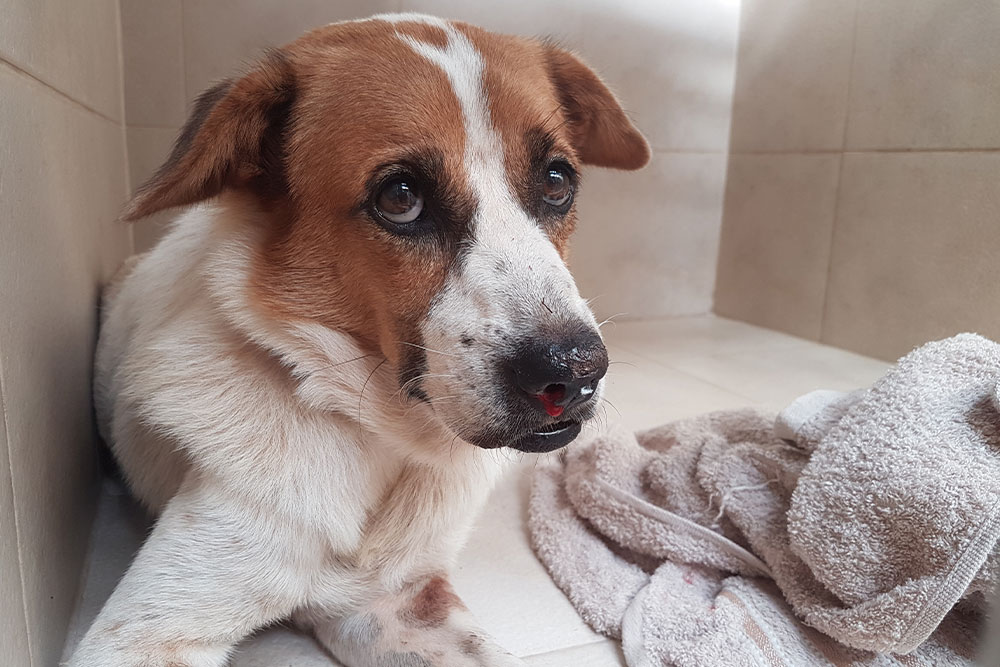
Few things shake a pet owner quite like watching an animal who was completely normal yesterday become visibly ill overnight. The gums are pale. The breathing is faster than it should be. Your dog won’t get up from his bed. These sudden changes are frightening, and the instinct to wonder whether something serious is happening is usually correct.
Autoimmune blood disorders and tick-borne diseases that affect blood cells are among the conditions that can produce exactly this kind of rapid deterioration. Both are serious. Both are treatable, especially when caught early. And understanding the difference between them, and the connection that sometimes links them, is part of how we find the right treatment for each individual pet.
How Does the Immune System End Up Attacking the Body It’s Supposed to Protect?
The immune system is essentially the body’s security force, trained to recognize and destroy threats while leaving healthy tissue alone. When it misfires, it can target the very cells it’s meant to defend.
Anemia caused by an immune-mediated process develops when the immune system begins tagging red blood cells for destruction. Those cells carry oxygen throughout the body, so as their numbers decline, pets become progressively more fatigued, pale, and short of breath. When platelets are targeted instead, the clotting process breaks down and even minor bumps can produce disproportionate bruising or bleeding.
The involvement of immune complexes is one of the mechanisms behind these reactions in dogs. In cats, cytotoxic antibodies drive similar immune-mediated blood cell destruction, though cats develop these conditions less frequently than dogs.
An important distinction is whether the immune attack is primary, meaning it appears spontaneous with no identifiable cause, or secondary, meaning something else triggered it. Secondary causes include tick-borne infections, certain medications, underlying cancer, or other systemic illness. Resolving an underlying trigger can sometimes resolve the immune attack along with it. Certain breeds are more genetically predisposed, particularly Cocker Spaniels, English Springer Spaniels, Miniature Schnauzers, and Poodles.
Immune-Mediated Hemolytic Anemia: When the Body Destroys Its Own Red Blood Cells
Recognizing IMHA Before It Becomes a Crisis
Immune-mediated hemolytic anemia, commonly abbreviated IMHA, occurs when antibodies attach to red blood cells and signal the body to destroy them. When destruction outpaces production, anemia sets in and worsens rapidly.
The symptoms reflect the body’s increasing inability to deliver oxygen to tissues:
- Unusual tiredness, reluctance to exercise, or avoiding stairs
- Breathing faster than normal, even when resting
- Pale, white, or yellowish (jaundiced) gums
- Dark or brownish urine
- Decreased appetite or complete disinterest in food
- Weakness or stumbling
Breed predisposition in Cocker Spaniels is particularly well documented, and owners of these dogs should treat any of the above signs as a prompt to call the clinic rather than monitor at home. Many pets respond well to early, aggressive treatment, but the key word is early.
An Unexpected Complication: Dangerous Blood Clots
Even as the body destroys red blood cells, it simultaneously loses its ability to break down blood clots normally, creating a real risk for clots forming in the lungs, abdomen, or limbs. Blood clotting complications in IMHA are a recognized concern we monitor carefully throughout treatment.
Warning signs of a possible clot include sudden difficulty breathing, limb pain or swelling, or collapse. Anti-clotting medications may be used in high-risk cases. If you notice these signs between appointments, contact us or seek emergency care right away.
Immune-Mediated Thrombocytopenia: When Platelets Disappear
Immune-mediated thrombocytopenia, or IMT, is the condition where the immune system destroys platelets, the small cell fragments responsible for forming blood clots at injury sites. Without enough platelets, blood does not clot properly and bleeding occurs easily.
Signs that point toward IMT include:
- Unexplained bruising, especially on the belly, inner thighs, or gums
- Tiny pinpoint red or purple dots on the skin or gum surface, called petechiae
- Nosebleeds that seem to start for no reason
- Blood in the urine or stool
- Cuts or minor wounds that bleed longer than expected
Handling is important during the diagnostic and early treatment phase, since unnecessary pressure or rough activity can worsen bleeding in a severely affected pet. With prompt treatment using immunosuppressive medications, many pets with IMT recover fully and go on to live normal lives.
When Both Red Blood Cells and Platelets Come Under Attack
Some pets face simultaneous immune attacks on red blood cells and platelets, producing signs of anemia and abnormal bleeding at the same time known as Evan’s syndrome. These concurrent immune-mediated conditions require coordinated treatment that manages both aspects together, with medication adjustments based on how each is responding. Our team has the experience to guide these cases from stabilization through long-term recovery.
The Tick Connection: How Tick-Borne Disease Triggers Blood Disorders
In coastal Florida, ticks are a year-round reality, and the diseases they carry have a direct relationship to the blood disorders discussed in this blog. Tick-borne infections can damage blood cells directly, disrupt immune function, or trigger immune-mediated destruction of red blood cells and platelets. In some cases they mimic primary autoimmune disease so closely that the two are clinically indistinguishable without comprehensive testing. Identifying and treating an underlying tick-borne infection can sometimes resolve the immune attack entirely, which is why tick disease panels are a standard part of any blood disorder workup we perform.
The key tick-borne diseases relevant to blood health in Florida include:
Lyme disease can trigger immune reactions affecting blood and joint health. Black-legged ticks that carry Lyme are present throughout Florida, though more prevalent in northern areas of the state.
Anaplasmosis directly infects white blood cells and commonly causes low platelet counts, making it particularly relevant in a blood disorder workup.
Rocky Mountain spotted fever is transmitted by the American dog tick, well established throughout Florida, and can cause serious blood vessel and platelet damage.
Ehrlichia and Anaplasma both target white blood cells and platelets directly. Ehrlichiosis can produce platelet destruction that looks identical to primary IMT without testing.
IMHA secondary to Babesia is a well-documented presentation in which Babesia parasites invade red blood cells and simultaneously provoke an immune attack on them, making it a classic example of secondary IMHA where infection is both the direct cause and the immune trigger.
How Are These Conditions Diagnosed?
Diagnosis begins with what you’ve noticed at home, so the history you provide at the appointment matters enormously. When did symptoms start? Has your pet had any recent tick exposure, new medications, or changes in appetite? The physical examination focuses on gum color, evidence of bruising, heart and lung sounds, and overall comfort. From there, the diagnostic process typically includes:
- Complete blood count (CBC) and blood smear: Quantifies red blood cells and platelets, and microscopic examination can reveal signs of immune-mediated destruction
- Coombs test: Detects antibodies attached directly to red blood cells, confirming immune-mediated red cell destruction
- Reticulocyte count: Measures whether the bone marrow is actively producing new red blood cells in response to the loss
- Chemistry panel: Evaluates kidney and liver function, which guides safe medication selection and helps identify secondary causes
- Tick-borne disease panel: Tests for Lyme disease, Ehrlichia, Anaplasma, Babesia, and other tick-transmitted infections that may be driving or complicating the blood disorder
Our in-house diagnostic capabilities allow many of these results to come back quickly, with our reference laboratory covering more specialized panels when indicated.
How Are Autoimmune Blood Diseases Treated?
The twin goals of treatment are stopping the immune attack and supporting the pet’s body while blood counts recover. Many pets begin treatment in a hospital setting and transition home as they stabilize, with close follow-up monitoring guiding every adjustment.
Standard treatment elements include:
- Corticosteroids as the primary immunosuppressant, typically prednisolone, to slow or stop the immune attack on blood cells
- Additional immunosuppressive medications when the steroid response is insufficient or side effects limit dosing
- Supportive care: IV fluids, oxygen supplementation if breathing is labored, stomach protectants for steroid-related GI effects, and careful vital sign monitoring
- Anti-clotting medications for IMHA patients identified as high-risk for thrombosis
- Antimicrobial therapy targeted to the specific tick-borne organism identified when infection is confirmed as a trigger
For pets with severe anemia, blood transfusions may be needed to stabilize the pet while medications take effect. Immune-mediated disease treatment is always individualized- medication combinations and doses are adjusted based on lab results and clinical response throughout treatment. Laser therapy can also play a supportive role during recovery, helping to reduce inflammation in pets managing the longer-term physical effects of serious illness.
Protecting Against Tick-Borne Disease Year-Round
In Saint Petersburg, tick prevention is a frontline defense that directly reduces the risk of tick-triggered blood disorders. Tick prevention with a consistent preventive is the most reliable approach. Florida’s climate means ticks remain active every month of the year, and gaps in prevention create real windows of exposure.
We carry flea and tick prevention for dogs and for cats and are happy to help you choose the right product for your pet’s lifestyle and size. Checking pets thoroughly after time outdoors and removing attached ticks promptly adds another layer of protection. Year-round prevention does not eliminate all risk of autoimmune blood disease, since many cases are primary with no identifiable trigger, but it removes one significant and preventable contributing factor.
Warning Signs That Mean You Should Call Today
If you notice any of the following, do not wait to see if things improve on their own:
- Sudden weakness, unsteadiness, or collapse
- Pale, white, or yellowish gums
- Unexplained bruising or bleeding with no clear cause
- Rapid or labored breathing, especially at rest
- Dark, discolored, or blood-tinged urine
- Loss of appetite lasting more than 24 hours alongside any other symptom
- Limb pain or sudden swelling
- Lethargy so significant your pet is barely responsive
Early intervention changes outcomes in a meaningful way for both immune-mediated blood diseases and tick-borne illnesses. Trust what you’re observing. Request an appointment or call us directly at 727-477-1442 if you are seeing any of these signs.

FAQs About Autoimmune Blood Disorders and Tick-Borne Disease
What is the difference between anemia and thrombocytopenia?
Anemia is a low red blood cell count, which impairs the body’s ability to deliver oxygen to tissues and causes tiredness, pale gums, and labored breathing. Thrombocytopenia is a low platelet count, which impairs blood clotting and produces bruising and abnormal bleeding. Some pets develop both conditions simultaneously, which requires a coordinated treatment approach.
How quickly should I act if I notice warning signs?
Immediately. Pale gums, unusual bruising, weakness, and rapid breathing are not symptoms to monitor at home overnight. Same-day evaluation meaningfully improves safety and recovery outcomes. Call us or come in right away.
We’re Here to Help Your Pet Through This
Autoimmune blood diseases and tick-borne illnesses are serious, and when symptoms appear suddenly in a pet who seemed completely healthy, the experience is frightening. What we want you to know is that with prompt evaluation, accurate diagnosis, and the right treatment plan, most pets do recover and return to their lives.
At Bayview Animal Hospital, we hold ourselves to a simple standard: we take care of your pet the way we would our own. That means thorough examinations, diagnostic care that gets to the actual answer, and ongoing support that keeps you informed and involved throughout the treatment process. From in-house bloodwork and digital imaging to reference laboratory testing and supportive therapies like laser therapy during recovery, we bring everything we have to each case.
If you’re concerned about your pet’s health or want to discuss tick prevention, request an appointment or contact us directly. And if something seems seriously wrong right now, please call us at 727-477-1442. We’re here Monday through Saturday and ready to help.