
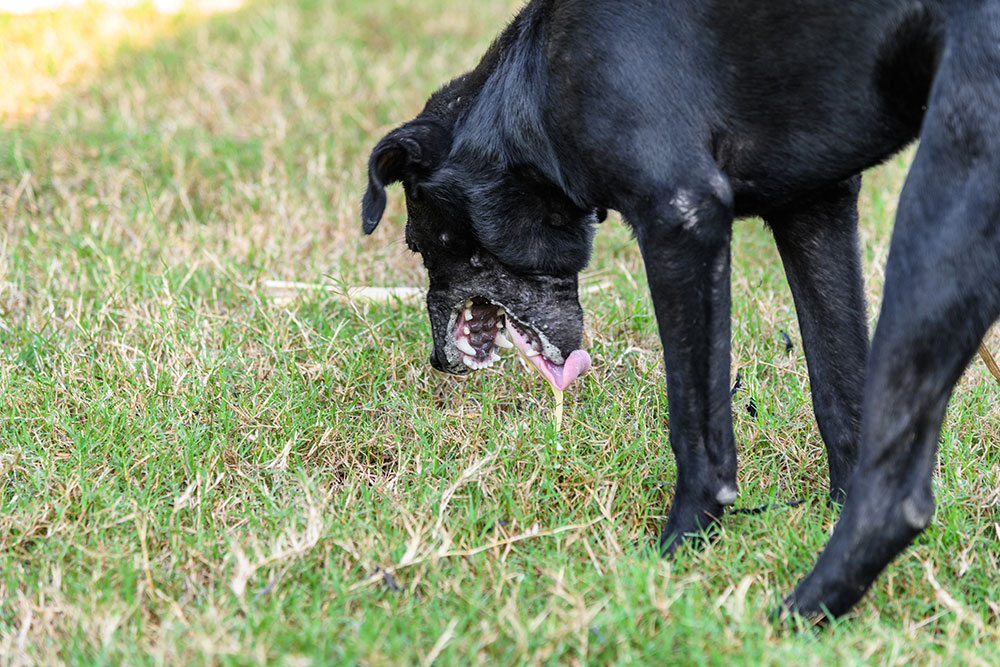
Every pet throws up now and then, and most of the time it passes without a second thought. But when vomiting becomes a pattern, happening multiple times a week, lasting more than a couple of weeks, or getting worse instead of better, something deeper is usually going on. Chronic vomiting in dogs and cats can stem from a food allergy that developed over time, an organ disease that’s been building quietly, or a condition within the gastrointestinal (GI) tract itself. The frustrating part for many owners is that the cause isn’t always obvious, and the symptoms can look the same no matter what’s driving them.
At Bayview Animal Hospital, our veterinary team takes a systematic approach to chronic vomiting: thorough exam, targeted lab work, and a clear plan for narrowing down the possibilities. We know how exhausting it is to watch your pet feel sick meal after meal, and we’re committed to getting answers rather than just treating symptoms. Contact us to schedule an evaluation if your pet’s vomiting has become a recurring concern.
When Should Vomiting Worry You?
What the Appearance and Frequency of Vomit Can Tell You
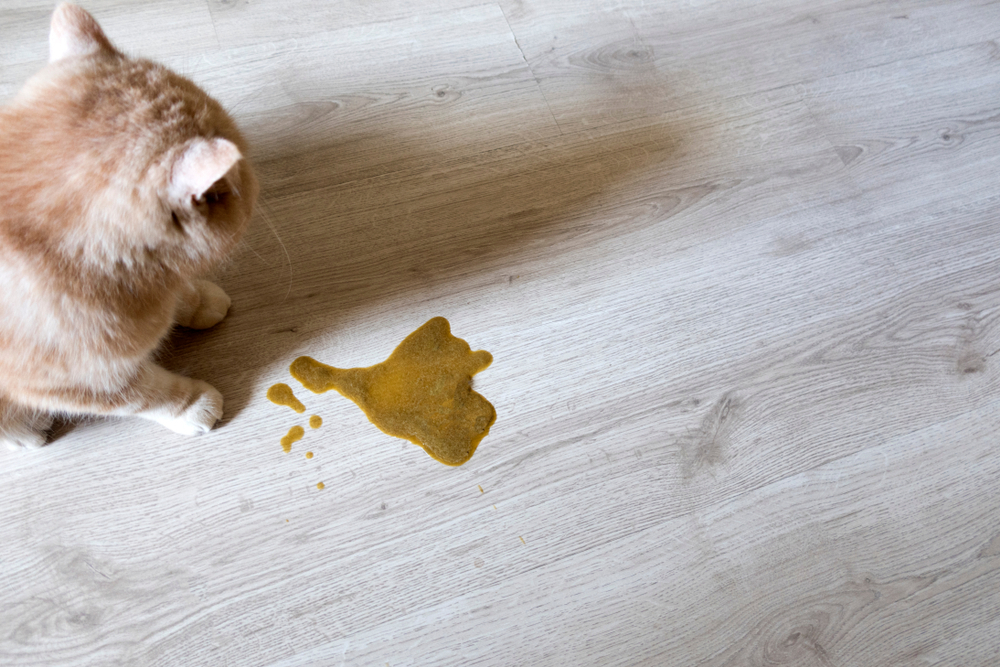
Not all vomiting tells the same story. What comes up, how often, and when it happens relative to meals all provide useful information before testing even begins. The appearance of vomit varies considerably: undigested food brought up shortly after eating looks very different from bile-tinged fluid, mucus, or digested food from hours later. Taking note of these details, or snapping a photo if you have one, genuinely helps us build a more accurate picture at the appointment.
Timing matters too. Vomiting that happens within minutes of eating and looks like barely chewed food often points toward eating too fast or a motility issue. Vomiting that happens hours after a meal, or overnight, suggests a different set of causes entirely. Conditions like megaesophagus, where food collects in the esophagus instead of reaching the stomach, produce a distinctive regurgitation pattern that looks like vomiting but requires completely different management.
Signs That Warrant a Veterinary Evaluation
The line between “keep an eye on it” and “schedule an appointment” is worth understanding clearly.
Schedule a visit if your pet has:
- Vomited more than once or twice a week for two or more weeks
- Lost weight alongside vomiting, even with a normal or increased appetite
- Changes in energy, thirst, or urination alongside GI symptoms
- Vomiting that seems tied to eating a specific food or treat
- Occasional hairballs that have recently become more frequent (more than once a month is a cause for concern for most cats)
- A coat or skin that has changed in texture alongside digestive symptoms
Older pets warrant particular attention here. Senior pet health changes gradually, and organ conditions that commonly develop with age, such as kidney disease, liver disease, and hyperthyroidism in cats, often first present as chronic vomiting before other signs become apparent.
When Vomiting Is an Emergency
Some presentations should not wait for a scheduled appointment. Go directly to the nearest emergency facility if your pet is:
- Vomiting blood, or producing vomit with a dark, coffee-ground appearance
- Showing abdominal pain, a hunched posture, or a visibly distended abdomen
- Retching and straining without producing vomit, especially in large or deep-chested dogs (this can be a sign of bloat, which is life-threatening)
- Unable to keep any food or water down for more than 24 hours
- Severely lethargic or weak alongside vomiting
- Very young, very old, or already managing another health condition
Bayview Animal Hospital is open Monday through Saturday from 8-6, and our team is available by phone at 727-477-1442. Just call us if you’re worried. For after-hours emergencies, please contact the nearest 24-hour emergency facility in the Saint Petersburg area.
What Actually Causes Chronic Vomiting in Dogs and Cats?
Food, Diet, and Eating Habits
Food is one of the most common contributors to chronic vomiting, and one of the last things owners think to question when a pet has eaten the same diet for years. Food allergies can develop at any point in life, even to a protein eaten without issue for years. Food intolerances work differently (a digestive reaction without an immune component) but can also cause persistent vomiting.
Good pet food selection matters more than many owners realize. Diet quality, ingredient consistency, and appropriate life-stage formulation all affect GI health. Table scraps, rich treats, and abrupt diet changes are also common culprits, as is dietary indiscretion (the technical term for a dog that ate something they absolutely should not have).
GI obstructions from ingested foreign material represent a more serious version of this problem and require prompt surgical intervention. Eating toys, food packaging, your remote control, or even mulch can cause both rapid onset of vomiting or an on-again, off-again pattern of vomiting that can go on for weeks. Our veterinary services include surgery for cases where obstruction is confirmed.
Systemic and Organ Disease
Vomiting is not always a stomach problem. Several systemic conditions trigger nausea and vomiting as secondary effects, and treating symptoms without identifying the underlying cause produces only temporary improvement.
Common systemic causes of chronic vomiting:
- Chronic kidney disease: waste products that healthy kidneys would filter out instead accumulate in the bloodstream, causing nausea
- Liver disease and gall bladder disease: impaired bile production and toxin processing affect the entire digestive process
- Feline hyperthyroidism: an overactive thyroid gland in older cats commonly causes vomiting alongside weight loss and increased appetite
- Pancreatitis: inflammation of the pancreas causes significant nausea and can be acute or chronic
- Diabetes: blood sugar dysregulation affects GI motility and appetite
- Addison’s disease: adrenal insufficiency produces intermittent GI signs that can be easily mistaken for a primary stomach problem
In-house bloodwork and urinalysis are the fastest way to identify whether organ disease is driving the vomiting. At Bayview Animal Hospital, our in-house diagnostic capabilities allow us to run comprehensive panels quickly, so we are not waiting days to begin narrowing down the cause.
Primary GI Tract Disorders
Once systemic causes are ruled out, the focus shifts to conditions originating within the GI tract itself. Accurate diagnosis matters here because treatments differ significantly between conditions.
Common GI conditions that cause chronic vomiting:
- Inflammatory bowel disease (IBD): chronic inflammation of the intestinal lining; one of the most common GI diagnoses in cats
- Lymphoma: the most common intestinal cancer in cats; small-cell lymphoma can look very similar to IBD on initial testing
- Gastric ulcers: erosions in the stomach lining, often related to NSAID use or stress
- Bilious vomiting syndrome: bile accumulates in an empty stomach overnight, causing early-morning vomiting; common in dogs
- Pyloric stenosis: narrowing of the stomach outlet that impairs emptying
- Gastric cancer: less common but important to rule out in older pets with chronic symptoms
Distinguishing between these conditions depends on combining diagnostic findings with your observations at home about timing, frequency, and what the vomiting looks like.
Two Often-Overlooked Causes: Fast Eating and Stress
The Scarf-and-Barf Pattern
Some vomiting episodes have nothing to do with disease. A pet that eats so rapidly that food comes back up looking nearly undigested, within minutes of a meal, is a classic “scarf and barf” presentation. This pattern is especially common in multi-pet households where food competition exists, in dogs with a history of uncertain food access, and in pets prone to eating enthusiastically.
Interactive feeders that slow down eating by making a pet work for each bite are one of the most effective and low-cost interventions for this issue. They convert mealtime from a two-minute inhale into a ten-minute activity, which is better for digestion and mental stimulation alike.
Stress and Anxiety as GI Triggers
Chronic stress and anxiety are underappreciated drivers of GI symptoms, particularly in cats. The gut and nervous system are closely connected, and stress-related vomiting looks identical to medically caused vomiting on the surface.
Common stressors include: routine disruptions, a new pet or person, construction noise, or tension between household pets. If vomiting started around a household change, that context is worth noting at your appointment.
The Diagnostic Workup: What to Expect
A thorough history is the foundation of the workup. When the vomiting started, how often it occurs, what it looks like, what and when your pet eats, and any recent changes are all pieces of the puzzle. The baseline diagnostic steps typically include:
- Complete physical exam: weight, body condition, abdominal palpation for pain or mass effects, hydration status, and oral health
- Bloodwork: complete blood count and chemistry panel to assess organ function, rule out infection or anemia, and identify systemic contributors
- Urinalysis: kidney function, signs of infection, and hydration assessment
- Fecal testing: rules out parasites and GI infections as contributors
- Digital radiography: assesses stomach and intestinal gas patterns, organ size, and looks for foreign material or obstruction
- Abdominal ultrasound: examines the layered structure of the intestinal wall, lymph node size, and organ architecture in detail
Our in-house diagnostic capabilities allow us to run bloodwork and imaging quickly, without waiting days for results. Reference laboratory partnerships cover more specialized panels when needed.
Elimination Diet Trials: Ruling In or Out Food Allergy
When baseline diagnostics do not identify a clear cause, a structured diet trial is the next step. Two approaches are used:
- Novel protein diet: a protein and carbohydrate source the pet has genuinely never encountered before
- Hydrolyzed protein diet: proteins broken into fragments too small to trigger an immune response, used when a truly novel protein is difficult to find
A proper diet trial requires 8 to 12 weeks of strict adherence: no treats, no table food, and no unapproved supplements. This is the step where even well-intentioned owners sometimes inadvertently undermine the results. If vomiting resolves during the trial, food allergy or intolerance is confirmed.
When Endoscopy or Biopsy Is the Next Step
Endoscopy: Looking Inside the GI Tract
When initial testing and diet trials do not identify the cause, endoscopy provides direct visualization of the esophagus, stomach, and upper small intestine under anesthesia, with mucosal tissue samples collected for analysis. Recovery is typically rapid, and the procedure provides tissue-level information that imaging alone cannot.
Exploratory Surgery and GI Biopsy
Exploratory surgery is recommended when ultrasound findings suggest a mass, when endoscopy cannot collect samples from the needed locations, or when full-thickness tissue is required. A surgically obtained GI biopsy reveals conditions that surface endoscopic samples miss, particularly when distinguishing IBD from low-grade intestinal lymphoma.
Bayview Animal Hospital’s veterinary services include a wide range of surgical procedures. Our team will discuss which diagnostic approach is most appropriate based on what earlier testing has shown.
What Biopsy Results Reveal
The distinction between IBD, intestinal lymphoma, and other GI cancers depends on histopathology: a pathologist examines the cellular structure of the tissue under a microscope. This matters enormously because each condition requires a different treatment. IBD is managed with dietary modification and immunosuppressive therapy. Low-grade intestinal lymphoma is treated with chemotherapy and steroids. Getting the diagnosis right is the difference between a treatment that helps and one that does not.
Treatment Depends on What the Workup Finds
Once a diagnosis is established, treatment is matched to the specific cause.
| Cause | Primary Treatment Approach |
| Food allergy or intolerance | Long-term management with identified safe diet; strict household rules on treats and table food |
| Systemic organ disease | Targeted medical management based on the specific organ involved |
| Bacterial or parasitic infection | Antimicrobials or antiparasitic medications guided by test results |
| IBD | Dietary modification, immunosuppressive therapy, B12 supplementation in some cases |
| Low-grade intestinal lymphoma | Chemotherapy protocol and steroids; managed as a chronic condition |
| Fast eating | Slow feeders, meal structure changes, portion management |
| Stress-related vomiting | Environmental modification, behavioral support, sometimes anti-anxiety therapy |
How You Can Help at Home
The clinical picture depends on your observations at home as much as what we find in the exam room. A simple symptom diary makes each appointment significantly more productive.
What to track between appointments:
- Date and time of each episode
- How long after eating it occurred
- What the vomit looked like
- What your pet ate that day, including treats
- Any behavioral changes
Contact us with significant changes between visits rather than waiting. Increased vomiting frequency, loss of appetite, or blood in vomit should prompt a call.
How do GI supplements and diets help?
There are a wide range of supplements and diets that can help a sensitive stomach, or support a pet dealing with a GI disease. Proviable-DC capsules and FortiFlora are veterinary probiotics that support intestinal microbiome balance for dogs and cats. Browse our full range of cat digestive health supplements and dog digestive health supplements in our online pharmacy. Cats prone to hairballs may benefit from hairball control soft chews or hairball care diets, and sensitive stomach diets for dogs and cats are also available. Ask us what we’d recommend for your pet.
Frequently Asked Questions About Chronic Pet Vomiting
How do I know if vomiting is an emergency?
Vomiting blood, abdominal pain, a distended belly, retching without producing vomit in large dogs, severe lethargy, collapse, suspected toxin ingestion, or nothing staying down for 24 hours all require immediate care at an emergency facility.
My pet has vomited for years. Is it still worth investigating?
Absolutely. Long-standing chronic vomiting is more likely to reflect an underlying condition that has been quietly progressing, not less. Many owners are surprised to find that what they assumed was “just how their pet’s stomach is” resolves entirely once a diagnosis is made and treatment begins.
Can I just try a different food and see if it helps?
Switching foods without a protocol often produces inconclusive results since most commercial diets share protein sources. A proper trial uses a specific diet chosen based on your pet’s history, fed exclusively for 8 to 12 weeks. We can help choose the right approach.
How long does the workup take?
Initial bloodwork and imaging are often available within the same visit or within a day. A diet trial takes 8 to 12 weeks. Endoscopy or biopsy is typically scheduled within a week or two when indicated.
Getting to a Real Answer
Living with a chronically vomiting pet is exhausting, and the uncertainty is often harder than the diagnosis itself. The good news is that a methodical approach works. Working through possibilities systematically, from baseline diagnostics to dietary trials and tissue-level testing when needed, leads to real answers for the vast majority of pets.
At Bayview Animal Hospital, our promise is to take care of your pet like we would our own, and that means finding the cause, not just managing the symptoms. Contact our team to schedule an evaluation.