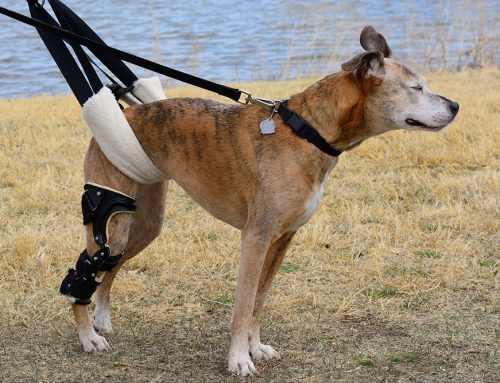

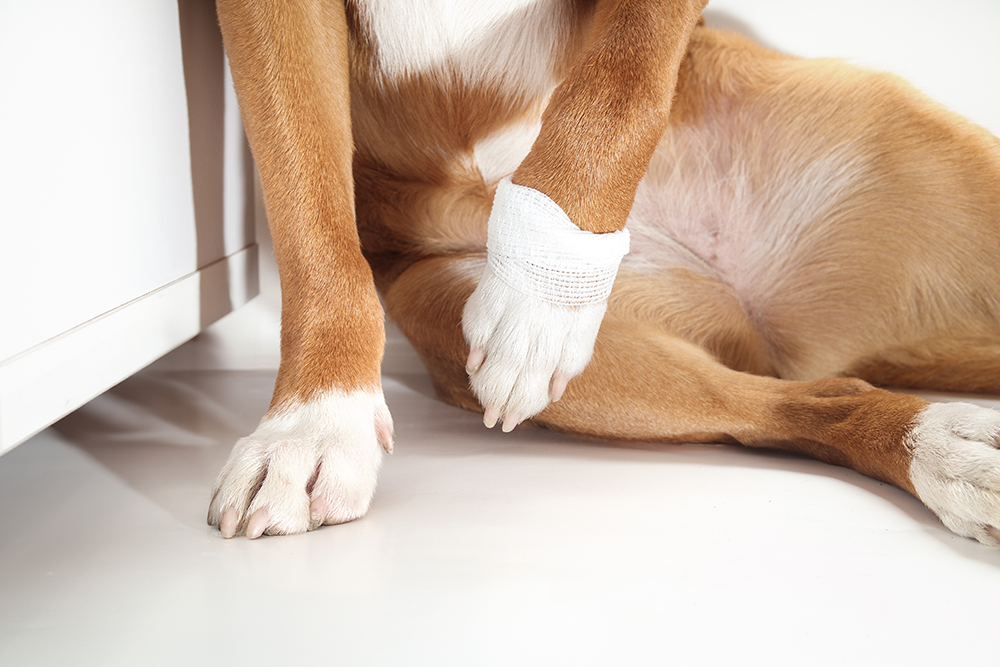
A limp might look simple, but it can signal something serious. From soft tissue sprains to bone fractures or chronic arthritis, there are countless reasons pets favor one leg. Because dogs and cats instinctively hide pain, even subtle limping deserves a closer look. A detailed exam and diagnostic imaging are the best ways to uncover the true cause and help your pet get back to comfortable movement.
At Bayview Animal Hospital in coastal Saint Petersburg, our locally owned and operated team uses advanced digital imaging, in-house diagnostics, and a compassionate, individualized approach to pinpoint mobility problems. Whether your pet’s limp began suddenly or has been slowly progressing with age, we’re here to provide thorough, thoughtful care “the right way.”
Common Reasons Pets Start Limping
Limping can appear suddenly after an injury or develop gradually as the body changes over time. Recognizing which type you’re dealing with helps determine how urgently your pet needs care.
Sudden-Onset Limping: When Injury Strikes
A limp that appears overnight often stems from an acute issue. These are the most common culprits:
- Cracked or torn nails: A cracked nail may seem minor, but it’s intensely painful. Torn nails can bleed, expose sensitive tissue, and become infected without proper trimming and antibiotics.
- Foreign bodies: Coastal Florida’s foxtails and other seed pods can lodge between toes or burrow into the skin, causing swelling and infection. They often require sedation for safe removal.
- Bite wounds or punctures: Cat abscesses or deep punctures trap bacteria beneath the skin, leading to painful swelling that causes pets to limp or refuse to bear weight.
- Muscle or ligament injuries: A common orthopedic problem, especially in athletic dogs. Cruciate ligament tears cause sudden rear-leg lameness and often require surgical repair for full recovery.
- Fractures or dislocations: Broken bones can occur after a fall or car accident. Signs include severe pain, swelling, or abnormal limb position. These require immediate emergency care.
If your pet’s limp appeared suddenly or followed outdoor play, call us right away for evaluation. Early intervention often prevents long-term complications.
Gradual Limping: Chronic or Degenerative Conditions
Not every limp starts with an accident. Many develop over time due to inflammation, joint disease, or aging.
- Arthritis: Arthritis in petsis one of the most common causes of ongoing stiffness and limping, especially in older dogs and cats. You may notice your pet is slow to rise or reluctant to jump. At Bayview Animal Hospital, we provide gentle arthritis management, including laser therapy and other aging pet treatments, to improve comfort and mobility.
- Hip dysplasia: Hip dysplasia affects large-breed dogs when the hip joint doesn’t form properly. It causes chronic pain that worsens with exercise. Weight management, pain control, and in some cases surgery can help restore function.
- Patellar luxation: In small breeds, the kneecap can slip out of place, a condition called patellar luxation.
The limp may come and go as the kneecap moves. Surgery can prevent arthritis and stabilize the joint. - Panosteitis (growing pains): Young, large-breed dogs can develop panosteitis, a self-limiting inflammatory condition that causes shifting leg pain during growth spurts.
- Bone cancer: Osteosarcoma leads to progressive limping, swelling, and pain. Early detection and treatment are key for maintaining quality of life.
If your pet’s limp has been developing slowly, professional evaluation can help manage pain before it limits activity.
When to Seek Emergency Care For a Limping Pet
While many limps can wait for an appointment, certain red flags mean your pet needs immediate veterinary attention:
- Complete refusal to bear weight
- Sudden swelling, deformity, or visible bone
- Severe trauma (car accident, fall, or fight)
- Open wounds or heavy bleeding
- Collapse, weakness, or severe distress
If you’re unsure, our team can help determine whether your pet needs same-day care. Don’t wait and see; timely evaluation prevents complications and speeds recovery.
How Veterinarians Find the Cause For Limping
Limping has dozens of potential causes, and the right diagnosis requires a systematic approach. It’s helpful for you to film your pet limping at home, as they sometimes don’t limp in the practice the same way.
Step 1: Physical Examination
Your veterinarian begins by observing how your pet walks and moves. Gentle palpation and range-of-motion tests reveal swelling, instability, or pain in specific joints or muscles.
Step 2: Diagnostic Imaging
Digital X-rays are essential for identifying fractures, arthritis, and joint disease. At Bayview Animal Hospital, our on-site imaging provides fast, detailed results so we can start treatment without delay.
Step 3: Laboratory Testing
Bloodwork and joint fluid analysis help rule out infections, metabolic issues, and autoimmune diseases. For complex cases, we partner with a reference laboratory to perform specialized tests for a precise diagnosis.
Videos of your pet walking at home, or notes about when the limp worsens, can also be extremely helpful during your visit.
Treatment Options For Limping: From Rest to Rehabilitation
Mild Injuries
Minor strains or sprains often improve with rest, restricted activity, and cold compresses during the first few days. Your veterinarian may recommend short-term pain medication to ease discomfort.
Chronic Pain and Arthritis
For older pets, joint disease requires a long-term plan. Along with anti-inflammatory medication and weight management, our laser therapy program can reduce inflammation, increase circulation, and relieve pain. It’s a gentle, non-invasive treatment that many pets find relaxing, and owners often notice improved movement within a few sessions.
We also provide customized recommendations for exercise, nutrition, and at-home comfort to help pets age gracefully while staying active.
Surgical Care
When injury or structural problems can’t be resolved medically, surgery may be the best solution. We perform a wide range of procedures including fracture repairs, cruciate ligament stabilization, and joint correction surgeries. Our surgical approach prioritizes precision, pain management, and close post-operative follow-up to ensure the best recovery possible.
How Pain Changes Behavior
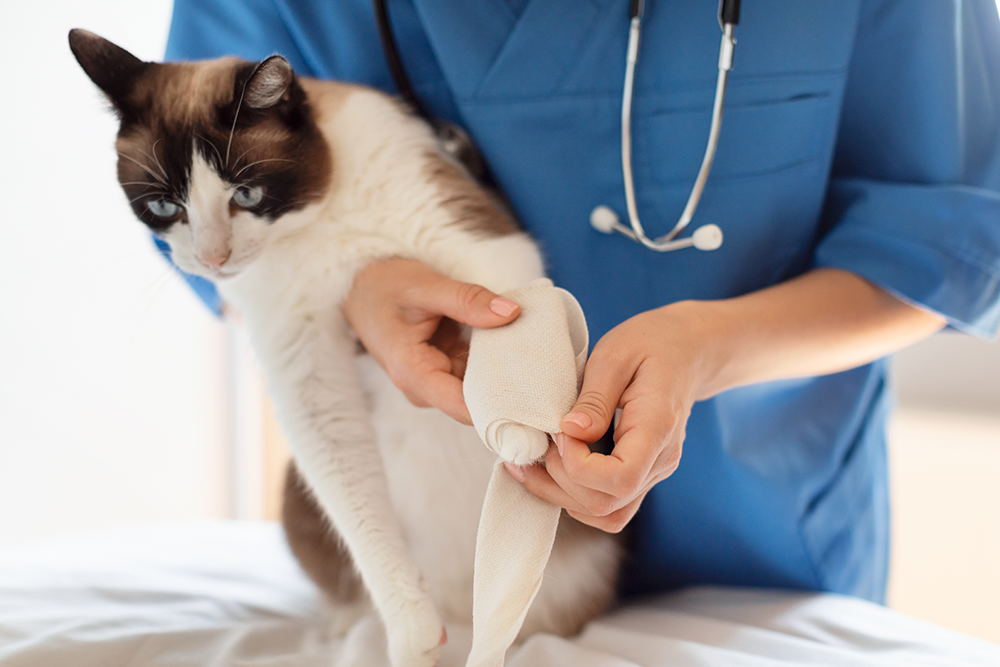
Pain doesn’t always appear as a limp. Subtle behavioral changes, such as reluctance to jump, loss of appetite, or increased irritability, often point to discomfort. Cats may hide, while dogs may seem tired or withdrawn. If you notice personality shifts or decreased activity, it’s worth scheduling a check-up.
Pain relief doesn’t just improve mobility; it restores joy, confidence, and the connection you share with your pet.
Helping Your Pet Heal the Right Way
Whether your pet’s limp started after a day at the park or has been building slowly over time, it’s always worth investigating. Early diagnosis and tailored treatment can prevent chronic pain and keep your pet moving comfortably for years to come.
At Bayview Animal Hospital, we combine advanced diagnostics, gentle hands, and modern treatments like laser therapy to deliver care that reflects our promise: to take care of your pet like our own.
If your dog or cat is limping, or showing signs of pain, request an appointment today. Together, we’ll find the cause, ease their pain, and get them back to the active, happy life they deserve.