
Kennel Cough in Dogs: Recognizing and Managing This Contagious Cough
You hear it from across the room: that sudden, loud, dry hacking cough that sounds like your dog has something stuck in their throat. It’s instantly worrisome, and you might wonder, “Is this just a passing cold, or something more serious?” Unfortunately, that persistent sound could be kennel cough, a highly contagious respiratory infection that moves quickly between dogs. While most dogs bounce back without much fuss, some cases require extra attention. Knowing the signs and acting fast with vaccination, isolation, and prompt care are the best ways to protect your pet and stop outbreaks before they start.
At Bayview Animal Hospital, we understand how quickly respiratory illnesses like kennel cough can spread- especially in Florida’s warm, social climate where dogs love the park, beach, or daycare. Our services include thorough examinations, in-house diagnostics, and guidance on safe vaccination schedules. We take care of pets like our own and are always committed to raising the standard of care for your four-legged family members.
What Is Kennel Cough? Understanding the Cause
Kennel cough, or canine infectious respiratory disease (CIRDC), refers to a group of bacteria and viruses that cause inflammation in the upper airways. It’s often linked to Bordetella bronchiseptica, canine parainfluenza virus, and adenovirus type 2, among others. These pathogens spread rapidly through droplets in the air, direct contact (like a friendly nose sniff), or shared objects such as water bowls and toys.
Dogs that frequent grooming facilities, dog parks, or boarding kennels are at the highest risk. Our team focuses on prevention through wellness care and vaccinations while educating owners on how to minimize exposure in these busy environments.
Recognizing Kennel Cough Symptoms in Dogs
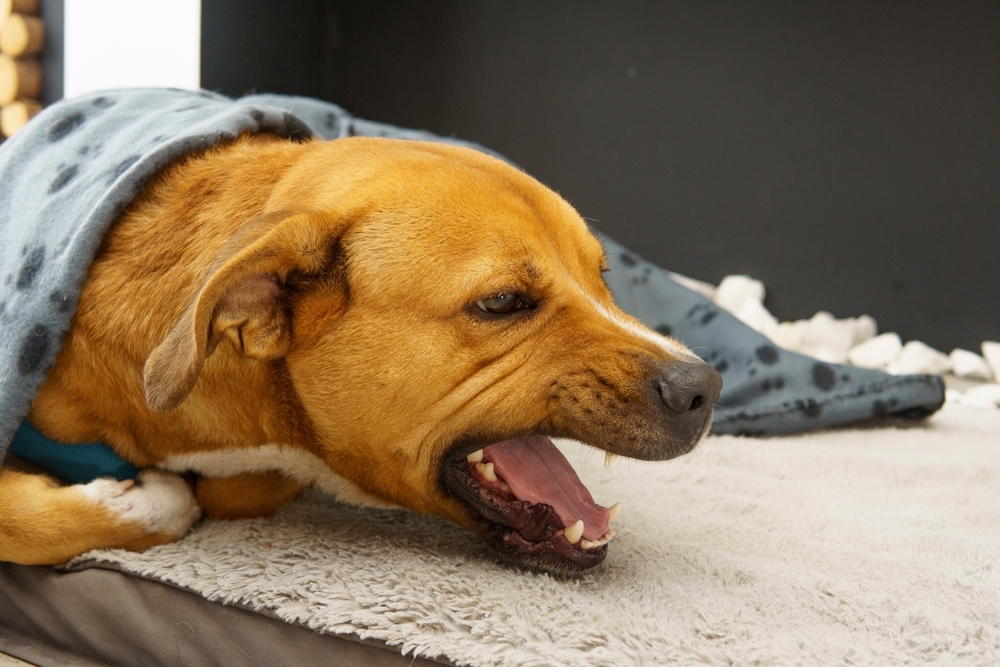
The classic symptom is a harsh, honking cough that may sound like gagging or retching. Some dogs may produce small amounts of foam or mucus. Mild lethargy, watery eyes, and nasal discharge can appear, and the cough may worsen with excitement or when pressure is applied to the neck.
It’s important to distinguish between a mild, dry cough and signs of serious respiratory distress, which may include open-mouth breathing, blue gums, or visible effort when inhaling. If your pet shows any of these red flags, contact us immediately for a same-day appointment.
How Kennel Cough Spreads in Canines and Why It Matters
Because CIRDC is caused by multiple pathogens, dogs can remain contagious for several weeks, even after symptoms improve. Enclosed areas with poor airflow, such as kennels or grooming salons, allow infectious droplets to linger in the air and on surfaces.
Stress, overexertion, or exposure to temperature extremes can weaken a dog’s immune defenses, making infection more likely. If your dog begins coughing after a recent social outing, it’s best to isolate them from other pets and schedule an exam. Our diagnostic tools help confirm the cause and rule out more serious illnesses like pneumonia or tracheal collapse.
How Contagious Is Kennel Cough?
Very. Kennel cough spreads through airborne particles, contaminated hands, and shared surfaces. Dogs can shed the infection before showing symptoms, so early detection is key to protecting others.
Keep coughing dogs at home, disinfect common areas, and wash hands after contact. Our veterinarians can provide specific instructions for home isolation, cleaning routines, and when it’s safe to resume social activities. If your dog attends daycare or boarding soon, give us a call to discuss preventive measures and timing for vaccination boosters.
When It’s Not Just Kennel Cough: Look-Alike Conditions
Some health problems mimic kennel cough but require different care. Dog pneumonia may cause fever, weakness, and labored breathing. A collapsed trachea often produces a similar honking cough in small breeds but is a structural issue rather than an infection. In other cases, coughing can signal cardiac problems such as difficulty breathing related to heart disease.
Our in-house imaging and diagnostic testing help pinpoint the cause quickly so we can start the right treatment plan for your dog’s specific needs.
How We Diagnose Kennel Cough
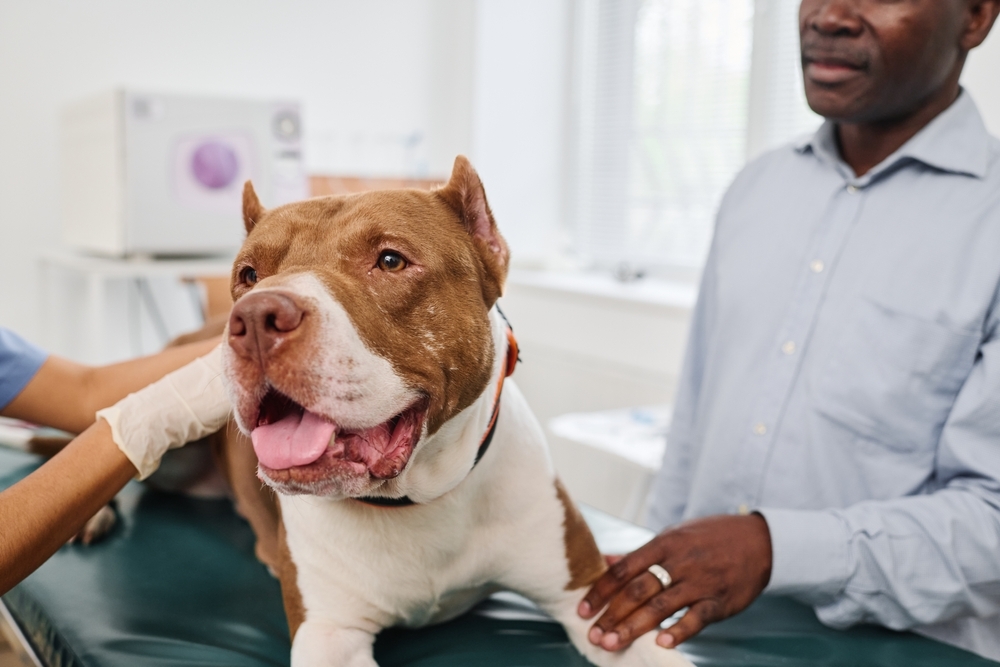
Diagnosis begins with your dog’s history. This includes recent social exposure, vaccination records, and symptom onset. During the exam, we’ll gently palpate the trachea to assess cough response and listen to lung sounds for any sign of deeper infection.
If symptoms persist or worsen, we may recommend chest radiographs, bloodwork, or PCR testing to rule out pneumonia or other diseases. Our in-house lab allows for rapid testing, ensuring your dog receives tailored treatment without unnecessary delays.
Treatment and Home Care for Canine Kennel Cough
Most mild cases resolve within one to two weeks with rest and supportive care. Keep your dog in a quiet, stress-free environment with proper hydration and nutrition. A humidifier or steamy bathroom can ease coughing, and a harness is preferable to a collar to reduce tracheal pressure.
If prescribed, medications such as cough suppressants or anti-inflammatories can help your dog stay comfortable. Antibiotics may be used if bacterial infection is suspected. If the cough doesn’t improve after two weeks or worsens, schedule a follow-up appointment so we can re-evaluate and adjust the care plan.
Canine Kennel Cough Prevention: The Best Medicine
Vaccination is your pet’s first line of defense. Vaccinations for dogs against Bordetella bronchiseptica, canine parainfluenza, and adenovirus type 2 reduce both the risk and severity of infection.
If you’re planning to board your dog, follow these boarding tips: update vaccines ahead of time, pack personal bowls, and avoid shared toys. Clean water, good ventilation, and avoiding crowded areas during outbreaks are simple but effective protective steps.
Our wellness care program includes vaccination reminders and preventive strategies designed to keep your dog healthy all year long.
Can Cats Get Kennel Cough?
While less common, Bordetella bronchiseptica can occasionally infect cats, especially in multi-pet homes or shelters. Bordetella in cats typically presents with sneezing, coughing, and nasal discharge. If both your dog and cat develop respiratory symptoms, schedule a combined household evaluation so we can protect all your pets.
When to Seek Immediate Veterinary Help for Kennel Cough
Some dogs develop complications that need urgent care. Contact us right away if your dog shows signs of:
- Persistent, severe coughing or gagging
- Labored breathing or visible effort to inhale
- Refusal to eat or drink
- Blue or pale gums, or any signs of respiratory distress
Prompt intervention can prevent hospitalization and serious outcomes. Call us directly or visit our contact page for urgent assistance.
Most dogs recover within two weeks, though some may remain mildly contagious for longer. Our veterinarians will advise when your dog can safely return to daycare, grooming, or social events. Gradual reintroduction to exercise, using a harness to prevent coughing, and keeping up with routine boosters help prevent future infections.
Moving Forward with Confidence
Kennel cough can sound alarming, but with early detection, home care, and professional guidance, most dogs recover quickly. At Bayview Animal Hospital, we combine compassionate care with modern medicine to help your pet heal comfortably and get back to wagging tails and playtime.
If your dog develops a new cough or if you need to schedule vaccines before boarding or grooming, contact us or request an appointment today. Together, we’ll keep your pet happy, healthy, and protected “the right way.”