

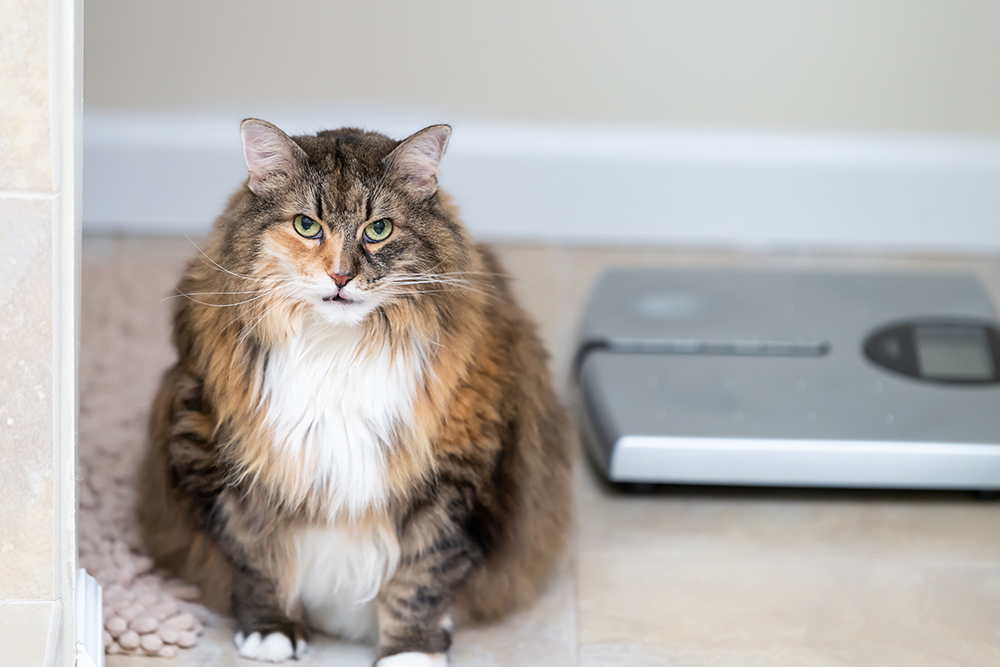
A body condition score is the most accurate way to tell if your dog or cat is carrying too much weight, because it grades body fat on a hands-on 1-to-9 scale rather than relying on what the scale says. You should be able to feel ribs with light pressure, see a defined waist from above, and notice a tucked belly from the side. The number on the scale only tells part of the story, since a healthy weight for a small housecat looks nothing like a healthy weight for a Maine Coon. Even an extra pound or two on a small dog or cat puts real strain on joints, organs, and quality of life as they age.
Bayview Animal Hospital is a locally owned practice providing veterinary care for dogs and cats in Saint Petersburg, and we fold body condition scoring into every wellness visit so you leave knowing exactly where your pet falls on the 1-to-9 scale. In-house bloodwork lets us check for the metabolic shifts that sometimes hide behind weight gain, while laser therapy and arthritis support help older dogs and cats manage the pain that can lead to weight gain. Portion control does most of the heavy lifting on weight loss, and small steady changes hold up far better than crash diets that rebound. If you think your dog or cat has crept into overweight territory, schedule a wellness visit and we will build a plan together that fits your pet and your routine.
The Essentials in Sixty Seconds
- A body condition score reads ribs, waist, and belly fat on a hands-on 1-to-9 scale, giving a far clearer answer than the number on the scale ever could.
- Feeding for your pet’s ideal weight instead of their current weight, measuring every meal and treat, and making small steady changes are what actually move the needle over time.
- Exercise helps, but portion control drives most of the weight loss, and crash diets tend to backfire and pile the pounds right back on.
- Sometimes weight change is a symptom of a hidden medical problem, which is why we build the body condition check and bloodwork into routine wellness visits.
Could a Health Problem, Not the Food Bowl, Be Behind My Pet’s Weight Gain?
Sometimes weight gain or loss has nothing to do with the food bowl. Several medical conditions change appetite, metabolism, and how the body stores or burns energy, and no amount of careful measuring will fix a weight problem that is really a disease problem. When the diet is dialed in and the weight still will not budge, it is time to look deeper.
In dogs, the usual suspects are hormonal and metabolic. Hypothyroidism slows the metabolism enough to pack on pounds. The excess cortisol of Cushing’s disease drives a pot-bellied look and a bigger appetite, and diabetes can cause weight loss despite a big appetite as the body fails to use its fuel.
In cats, the pattern often runs the other way:
- Hyperthyroidism: Hyperthyroidism revs the metabolism so high that a cat drops weight while eating more than ever.
- Kidney disease: Kidney disease is a leading cause of weight and muscle loss in older cats.
In both species:
- Cancer: Unexplained weight loss can also be an early flag for cancer in both cats and dogs.
- Dental disease: When your mouth hurts, you don’t want to eat. Having regular professional dental cleanings finds the hidden dental pain many pets develop as they age.
Treating the root cause is what makes healthy weight change possible again, and that is where our diagnostics come in. In-house bloodwork run during your visit lets us check complete blood counts, chemistry panels, and urinalysis quickly. It pairs with annual early-detection screening that sets a healthy baseline to make metabolic shifts far easier to spot.
Does the Scale Really Settle the Question?
Weight alone cannot tell you whether your pet is healthy, because two dogs of identical weight can have completely different amounts of fat and muscle. Body condition scoring looks at fat and muscle together, which is why it paints a much clearer picture of what is actually going on under the coat.
A lean, muscular working dog and a soft, out-of-shape couch dog can hit the exact same weight, yet one is thriving and one is heading for trouble. Muscle is denser than fat, so a fit pet often weighs more than you would guess while looking trim. Breed and build matter too, and a chunky “that’s just how the breed looks” assumption does not always match what is healthiest for joints and longevity. A dog or cat can hold the same number on the scale while losing muscle condition, and that pet is not actually thriving.
Being over or underweight both cause real health problems, so the goal is not a magic number. Watch how your pet moves, feels, and gets through the day instead. Does she spring onto the couch or heave herself up? Does he tire on the same walk that used to be easy? We assess body condition at every wellness visit so small shifts get caught early, while they are still easy to correct.
How Do I Do the Three-Part Check on My Own Pet?
Scoring your pet’s body condition comes down to three hands-on checks: looking from above, looking from the side, and feeling the ribs, waist, and belly. You are grading fat cover on a 1-to-9 scale where 4 to 5 is ideal. The whole point of body condition scoring is a repeatable picture that a bathroom scale simply cannot give you at home.
Here is how to run the check yourself:
- From above: Look down at your standing pet. You want a waist that tucks in behind the ribs, like a subtle hourglass. No waist, or a body that bulges outward, points toward overweight.
- From the side: Watch for an abdominal tuck, where the belly rises up toward the hips rather than hanging level or sagging. A saggy, pendulous belly is a red flag.
- At the ribs: Run your hands along the chest with light pressure. You should feel the ribs easily, with just a thin layer of padding, similar to feeling the back of your own hand. Ribs you have to dig for mean too much fat; ribs that feel sharp mean too little.
Once you have looked and felt, place your pet in one of these categories.
| Category | BCS (1-9) | What you see and feel |
| Underweight | 1-3 | Ribs, spine, and hip bones stand out and are easy to see; little to no fat; obvious waist and severe tuck |
| Ideal | 4-5 | Ribs felt easily with light pressure; visible waist from above; clear tuck from the side |
| Overweight | 6-7 | Ribs hard to feel under fat; waist barely there or missing; little tuck |
| Obese | 8-9 | Ribs can’t be felt; fat deposits over spine and tail base; no waist; belly sags |
Do this once a month. It only takes a minute, and it catches trends before they become a problem. Fluffy coats hide a lot, so with long-haired dogs and cats you really have to go by feel, not by eye. If you are not sure what you are feeling, book a hands-on body condition check and we will demonstrate the technique on your own pet. From there, we walk you through where your pet lands on the scale so you leave with a clear starting point.
What Do Those Extra Pounds Really Cost Me?
Extra weight costs you twice: once at the food bowl and again at the exam table. Overweight pets eat more than they need, and those extra cups and treats add up to hundreds of extra dollars a year. The bigger bills come later, when obesity-related disease sets in and needs long-term management.
We get it. Love often shows up as one more treat, one more crust of toast, one more scoop at dinner, and there is zero judgment here. But it helps to see where the money really goes. A pet who develops diabetes can need daily insulin and monitoring for life, a bill that dwarfs the cost of the treats that helped cause it. Arthritis brings years of pain medication, and back problems can turn into emergency surgeries that run into the thousands.
Keeping your pet at a healthy weight is one of the cheapest forms of insurance there is. It saves money, and far more importantly, it buys more good years together. Our job is to help you find that balance without the guilt.
What Does Extra Weight Do to My Pet’s Body?
Carrying extra weight strains nearly every system in the body, raising the risk of orthopedic disease, urinary problems, heart and breathing trouble, heat intolerance, anesthetic complications, and a shorter life overall. The pounds do quiet damage over time. Here is what overweight dogs and cats face more often:
- Joint and back disease: Every extra pound presses on the spine, and intervertebral disc disease can turn into emergency surgery, while arthritis in the hips, knees, and elbows shows up sooner and hits harder.
- Urinary stones: Too much weight raises the odds of urinary stones, painful mineral deposits that can block the bladder.
- Heart strain and high blood pressure: Extra body mass makes the heart work harder, causing heart disease and high blood pressure that often rides along with obesity.
- Overheating: A heavy coat of fat is like wearing a parka in a Florida summer, leaving overweight pets far more prone to heat stroke on our hot, humid coast.
- Breathing difficulty: Fat around the chest and airway makes every breath more work, especially in flat-faced breeds like Bulldogs, Pugs, and Persians.
- Riskier anesthesia: Extra weight complicates dosing and recovery, so routine procedures carry more risk.
- A shorter lifespan: The bottom line is time, and the link between obesity and lifespan is real. Lean pets simply live longer.
When Your Pet Sits on the Thin End of the Scale
Underweight pets carry their own serious problems, so thin is not automatically better than heavy. A pet without enough body reserve faces weakened immunity, trouble staying warm, and muscle loss that steals mobility, and healing from illness, surgery, or injury slows way down. If your dog or cat sits on the low end of the scale, that is worth investigating too. Start a prevention plan with us and we will figure out what is driving it.
Getting the Portion Size Right
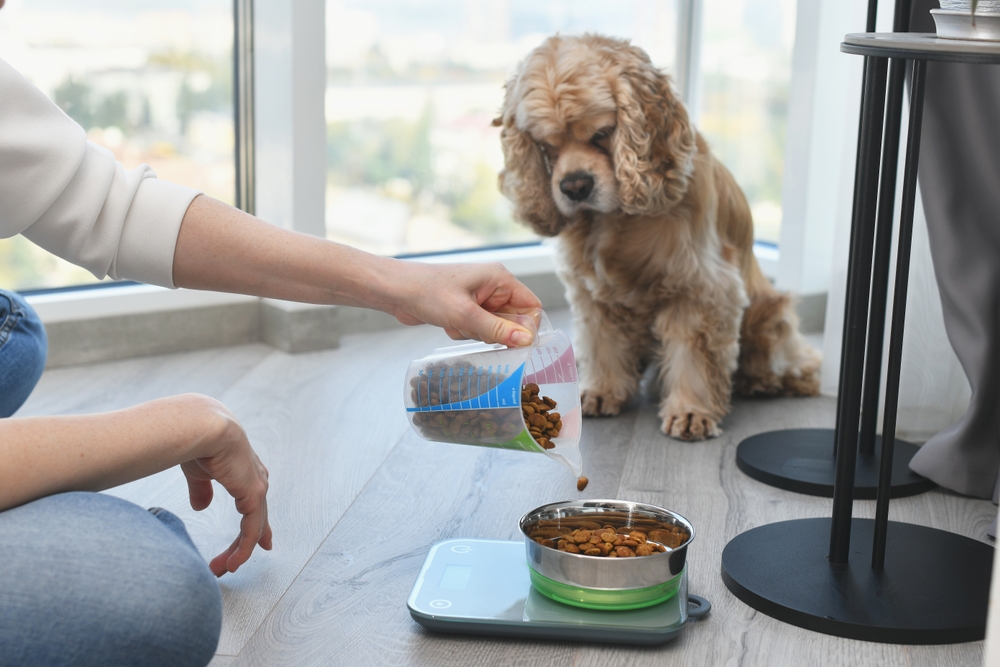
Portions should be based on your pet’s ideal weight, not their current weight, and that number is almost always smaller than what the bag suggests. Feeding-guide estimates run high, and eyeballing a scoop leads to steady overfeeding without anyone noticing.
Run the numbers with a calorie calculator, then measure every meal with a kitchen scale or a proper measuring cup. And count everything, not just the kibble: those portion guidelines only work when the training treats, the dental chew, the peanut butter in the pill pocket, and the bite of chicken from your plate all get counted too. It adds up fast.
Cats are a special case, because dropping their calories too quickly can trigger hepatic lipidosis, a life-threatening liver disease that turns a crash diet into an emergency. A chubby cat needs to lose weight slowly and steadily, under a plan, never by suddenly slashing the food bowl.
Prescription Diet or Store-Bought “Light” Bag?
Not all weight diets are created equal, and the difference comes down to testing. Choosing the right food matters because prescription weight-loss diets go through feeding trials that prove they strip fat while protecting lean muscle, something most over-the-counter “light” bags never demonstrate. Part of what makes them work is fiber, which helps pets feel full on fewer calories so they beg less. For a pet with a lot to lose or a concurrent health condition, a therapeutic diet offers predictable results with veterinary oversight.
Slimming Down Without Putting Your Pet at Risk
Safe weight loss is a marathon, not a sprint, built on measured meals, gradual activity, smarter treats, and regular tracking. Aim for slow, steady loss under veterinary guidance; anything faster risks muscle loss in dogs and outright danger in cats. Here is what actually works day to day:
- For dogs: Helping a dog lose weight comes down to measured meals on a set schedule and daily walks that build up slowly rather than all at once.
- For cats: Helping a cat slim down leans on portioned meals plus short bursts of play and food puzzles that turn eating into gentle exercise.
- Change the routine, not just the amount: Serve measured meals on a set schedule instead of free-feeding, and try interactive feeders that make a dog work for dinner.
- Make cats hunt for it: Puzzle feeders and scattering kibble around the house tap a cat’s natural drive to hunt and slow down fast eaters.
- Rethink the rewards: Swap high-calorie biscuits for low-calorie options like a baby carrot, a green bean, or kibble set aside from the daily ration.
- Track the progress: Weigh in regularly and check body condition monthly, and if the loss stalls for a few weeks, adjust the portion down a little and reassess.
Small, consistent choices win. If you want a plan tailored to your pet, request a nutritional consultation and we will map out feeding and exercise targets together.
Adjusting Weight Care Through Every Life Stage
Your pet’s ideal body condition is a moving target, so weight care has to shift with each life stage. Growing puppies and kittens have very different needs from maintenance-mode adults, and seniors can quietly lose muscle even as fat creeps up, which masks the change on the scale. Checking body condition at every visit keeps those trends from sneaking up on anyone.
For adult dogs and cats, we recommend exams every six months. Twice-a-year visits catch weight changes and early disease long before they become obvious at home, and wellness exams every six months give us a regular checkpoint to track body condition over time. As your pet ages, we update portions, diet choices, and activity targets to match.
Your Questions About Managing Your Pet’s Weight, Answered
How fast should my pet lose weight?
For most dogs, a safe pace is roughly one to two percent of body weight per week, and cats should go even slower because rapid loss can trigger dangerous liver disease. Slow and steady wins here. We will set a realistic pace based on your pet’s starting point.
A crash diet almost always backfires, causing muscle loss and a rebound that leaves your pet heavier than before.
How do I switch my pet to a new weight-loss food?
Go slowly. When a weight plan calls for a new food, switching to a new diet over about a week lets the gut adjust and heads off the loose stools a sudden change usually causes. Start by mixing a small amount of the new food into the old, then shift the ratio a little more each day. If your pet has a sensitive stomach, stretch the transition out to ten days or so, and call us if anything seems off.
My cat begs constantly. Am I starving her on a diet?
Almost certainly not. A cat begging at a properly measured portion is usually acting on habit and boredom, not real hunger, especially if the number on the calculator checks out. Splitting the daily ration into several small meals, using a puzzle feeder, and adding a few minutes of play at the usual beg times all help enormously. If your cat truly seems ravenous or is losing weight fast, though, let us know, because that can signal a medical issue worth checking.
Let’s Give Your Pet More Comfortable Years
Better body condition is one of the kindest things you can do for your dog or cat. It means easier movement, fewer trips to the vet for preventable problems, and more happy, comfortable years by your side. We know how hard it is to say no to those hopeful eyes at dinnertime, and you do not have to figure this out alone.
Small steps that fit your home and your lifestyle are what make weight care stick. Reach out for a calm, judgment-free evaluation and we will build a plan you can actually follow. Bayview Animal Hospital is here to partner with you at every life stage, setting realistic goals and keeping your pet healthy from puppyhood and kittenhood all the way through the senior years.




Leave A Comment