
There is a reason veterinary recommendations change as pets age, and it is not just protocol for the sake of it. The health priorities of a 10-week-old puppy are genuinely different from those of a 7-year-old dog, and different again from a 13-year-old dog who is starting to show the quiet changes that come with advanced age. Life-stage care recognizes that pets are always in a particular season of life, and that season determines which tests matter most, which risks are highest, and what conversations about the future are worth having now.
Bayview Animal Hospital is a locally owned practice in St. Petersburg that raises the standard of care for every pet we see, from the first kitten visit to the senior years. Our team takes a genuinely long view of each patient’s health and builds personalized care plans centered around their breed and your lifestyle. Explore our services or contact us to schedule care at any life stage.
Overview
- Each life stage has its own visit cadence and clinical focus: every 3 to 4 weeks for puppies and kittens through 16 weeks, annually for young adults and adults, and twice yearly for seniors aged roughly 7 and up.
- The first year is the most active phase of veterinary life by design; the choices made between 8 weeks and a year shape immune health, parasite exposure, dental wellbeing, and behavior for the rest of your pet’s life.
- Adult care shifts from establishing immunity and growth to maintaining health, with baseline bloodwork during the healthy years giving us values to compare against later when something changes.
- Senior care emphasizes comprehensive screening, chronic disease management, mobility support, and quality-of-life conversations that happen across the senior years rather than at a single endpoint.
How Does Care Evolve Across Life Stages?
Each stage has its own priorities, visit cadence, and clinical focus. The general framework looks like this:
| Life Stage | Typical Age | Visit Cadence | Primary Focus |
| Puppy / Kitten | Birth to ~1 year | Every 3 to 4 weeks until 16 weeks | Vaccines, parasite prevention, growth, dental habits, spay/neuter timing |
| Young Adult | ~1 to 3 years | Annual | Vaccine boosters, weight tracking, lifestyle prevention adjustments |
| Adult | ~3 to 7 years | Annual (some breeds twice yearly) | Baseline bloodwork, dental disease prevention, breed-specific monitoring |
| Senior | ~7+ years (varies by breed) | Twice yearly | Comprehensive screening, chronic disease management, mobility support |
The transition between stages is not a single moment; the boundaries are flexible and depend on breed, size, and individual health. The categories below cover what each stage actually involves.
How Does Puppy and Kitten Care Build the Foundation?
The first year is the most active phase of your pet’s veterinary life, and that is by design. The choices made between 8 weeks and a year shape immune health, parasite exposure, dental wellbeing, and behavior in ways that ripple forward for the rest of your pet’s life.
Why Do Veterinary Visits Cluster So Early in Life?
Puppies and kittens visit us multiple times in their first few months, usually every 3 to 4 weeks until around 16 weeks of age. The reason comes down to maternal antibodies. Newborns receive temporary protection from their mother through her colostrum, and those antibodies actually interfere with vaccines if given too early. The catch is that maternal antibodies decline at different rates in different individuals. Some puppies lose protection at 9 weeks, others at 14\. Spacing vaccinations across the early months ensures that whenever those antibodies fade, a vaccine is in place to take over.
Each visit also includes a full physical exam. Things like a heart murmur, an undescended testicle, a hernia, or a developing eye problem can all be caught early, when treatment is simplest. The exams matter as much as the vaccines themselves.
Parasite Prevention From Day One
Most puppies and kittens arrive in their new home already carrying parasites. Roundworms and hookworms are passed through the placenta or milk, and intestinal parasite infections are nearly universal in young animals. Beyond the immediate concerns, year-round parasite prevention protects against heartworms, fleas, and ticks throughout your pet’s life.
Heartworm prevention is non-negotiable in the Tampa Bay area. Florida’s mosquito population means heartworm transmission happens year-round, and treatment for an established infection is far more involved (and expensive) than monthly prevention. Cats are also at risk, even indoor-only cats, since mosquitoes find their way inside. Our pharmacy carries a full range of flea, tick, and heartworm preventives for dogs along with flea, tick, and heartworm prevention for cats.
When Is the Right Time to Spay or Neuter?
The conversation around spay and neuter has evolved over the past decade. While these procedures are an important part of preventive care, the optimal age varies more than the old six-months-for-everyone recommendation suggested.
For most cats and small-to-medium dogs, the traditional 5- to 6-month timeline still works well. For large- and giant-breed dogs, growing evidence supports waiting until growth plates close (usually 12 to 18 months), particularly in breeds prone to orthopedic issues. The benefits remain real: spaying eliminates the risk of pyometra, a life-threatening uterine infection in unspayed females, and dramatically reduces mammary cancer risk. Neutering reduces certain prostate diseases and testicular issues. We will have an individualized conversation with you during your puppy’s wellness visits.
Starting Dental Habits Early
A puppy or kitten who learns to accept toothbrushing as part of daily life will tolerate it for years. The same routine introduced at age 5 is much harder to establish, simply because it’s a new behavior to learn. Investing in dental care for pets habits early pays dividends for life.
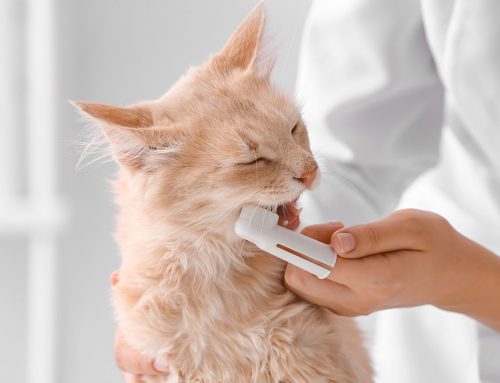
Start with simple muzzle handling and lip-lifting, then progress to a finger brush like a CET fingerbrush with enzymatic toothpaste. Our pharmacy carries a full range of toothbrushes and toothpastes to help you find the right fit for your pet. Even short sessions, ending on a positive note, build tolerance over time. For more on what works, check out our dental home care blog that goes over all the options.
What About Socialization and Early Behavior?
The first few months are also when your pet learns whether the world is a safe place. The primary socialization window runs from roughly 3 to 14 weeks for puppies and from about 2 to 9 weeks for kittens. Experiences during this period, positive or negative, shape lifelong baseline reactions to people, sounds, surfaces, handling, and travel.
For puppies, that means safe, controlled exposure to new people, vaccinated playmates, varied surfaces, and the kinds of household sounds they will encounter for the rest of their lives. Dog parks and public sidewalks are not safe yet because of parvovirus risk; well-run puppy classes and playdates with vaccinated dogs you know are good alternatives. Practicing handling that mimics what happens at the vet (paw touches, ear handling, holding still on a table) helps future visits feel familiar rather than alarming.
For kittens, socialization is mostly home-based. Exposure to varied household activity, visitors, sounds, and gentle handling during their shorter window helps prevent the hiding-under-the-bed pattern that can become permanent in adulthood. Building positive associations with the carrier early is one of the most valuable lessons a kitten can learn.
If you want guidance on what to introduce and when, we are happy to walk you through it at your next puppy or kitten visit.
What Does Adult Care Involve?
Once your pet reaches adulthood (around 1 to 2 years for most), the visit cadence settles into an annual or twice-yearly rhythm. The work of these visits shifts from establishing immunity and growth to maintaining health and catching emerging problems early.
What Does an Annual Wellness Exam Actually Cover?
A thorough adult wellness visit is much more than vaccines. We assess body condition, palpate for masses or organ changes, listen to the heart and lungs, evaluate dental health, examine eyes and ears, and check joint range of motion. Each of these can flag changes that warrant follow-up.
Preventive blood work becomes increasingly valuable from middle adulthood onward. The most useful test results are the ones we can compare to a healthy baseline from years before. A liver enzyme that is mildly elevated may mean nothing, or it may represent a meaningful change from your pet’s normal. Without prior results, we cannot always tell. Establishing baseline values during the healthy years is one of the highest-value preventive investments you can make.
Dental Disease Across the Adult Years
Dental disease is one of the most common conditions we diagnose in adult pets, and it is almost always more advanced than it looks from the outside. The visible tartar above the gumline is the tip of the iceberg. The disease that actually causes pain and tooth loss happens below the gumline, where the only way to evaluate it is with full-mouth dental radiographs under anesthesia.
Adult pets benefit from professional cleanings before significant disease has set in, which means earlier rather than later. Plan on a dental cleaning every 1-3 years, depending on your pet’s breed and how much brushing you manage at home.
Surgical Care for Breed-Related Conditions
Once skeletal maturity is reached, certain breeds benefit from corrective surgical procedures that meaningfully improve quality of life. Brachycephalic obstructive airway syndrome in flat-faced breeds (Bulldogs, Frenchies, Pugs, Boston Terriers) often involves stenotic nostrils and an elongated soft palate. Surgical correction can dramatically improve breathing, exercise tolerance, and even sleep quality.
Entropion, where the eyelids roll inward and lashes rub on the cornea, is another condition that commonly needs surgical correction in young adulthood for breeds like Shar-Peis, Bulldogs, and Chow Chows. Left uncorrected, it produces chronic eye irritation and corneal damage. These conditions are best addressed before they cause lasting harm.
Ongoing Parasite and Disease Prevention
The parasite prevention and vaccination conversation continues every year, with adjustments based on lifestyle. Dogs who hike, swim, or spend time in wooded areas need more comprehensive tick coverage than primarily indoor companions; leptospirosis, spread through standing water and wildlife urine, is an increasing concern in many regions. Dogs who go to daycare or board might need influenza vaccinations, while a homebody does not. The adventures you take with your pet during adulthood are all a part of our conversation.
Weight, Body Condition, and Endocrine Health
Adult weight gain is gradual and easy to miss day to day. By the time the change becomes visible, your pet may have gained 20 to 30 percent over their healthy weight. Annual weight tracking catches the trend while it is still manageable. Pet obesity prevention matters because excess weight is not just cosmetic. It is linked to arthritis, diabetes, certain cancers, and shortened lifespan.
Middle age is also when several endocrine conditions first surface. Hypothyroidism in dogs commonly presents in this window with weight gain, lethargy, and coat changes that are easy to attribute to ordinary aging. A simple thyroid panel sorts it out, and treatment is straightforward and effective.
What Does Senior Care Look Like?
The senior transition is not a single moment, but the period when subtle changes start adding up. For most cats and small-breed dogs, that is around 10 to 11\. For medium-breed dogs, around 7 to 8\. For large and giant breeds, sometimes as young as 6\.
How Do You Recognize When Your Pet Has Become a Senior?
Many of the changes families attribute to ordinary aging actually represent specific, manageable conditions. Worth paying attention to:
- Reduced activity or stamina
- Stiffness, especially after rest
- Changes in appetite or thirst
- Weight loss or weight gain
- Changes in sleep patterns
- New patterns of vocalizing, especially in cats
- Confusion, disorientation, or pacing at night
- Cloudiness of the eyes or changes in vision
These are not signs that nothing can be done. They are signs that something specific is going on, and identifying it is the first step toward making your pet more comfortable.
What Does Senior Screening Include?
Preventive testing for senior pets is more comprehensive than adult bloodwork. A complete senior panel typically includes:
- CBC (complete blood count): screens for anemia, infection, or inflammation
- Chemistry panel: evaluates liver, kidney, electrolyte, and protein status
- SDMA: an early kidney marker that detects disease before standard kidney values rise
- Thyroid testing: T4 in both species, plus more detailed thyroid panels when needed
- Urinalysis: evaluates kidney concentrating ability and screens for infection
- Blood pressure: since hypertension is common and damaging in senior pets
We recommend twice-yearly exams for pets 7 and older. Six months in pet years is closer to two human years, so spacing visits more frequently lets us catch changes earlier.
Common Conditions in Senior Pets
The conditions we diagnose most often on a senior screening or wellness exam include:
- Chronic kidney disease: especially common in older cats, often presenting with increased thirst and gradual weight loss. Early identification dramatically extends quality time.
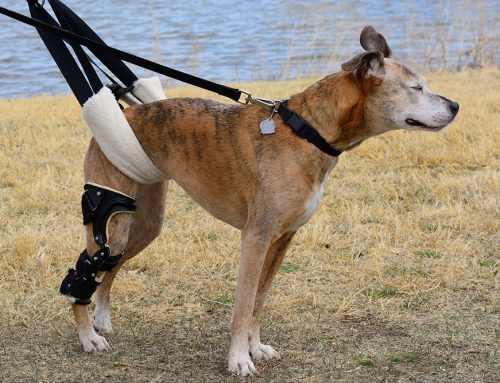
- Osteoarthritis: underdiagnosed in cats, who hide pain well. In dogs it shows up as stiffness, slowness on stairs, or reluctance to jump.
- Feline hyperthyroidism: older cats with weight loss despite a great appetite, increased vocalization, and a coat that looks unkempt should be screened.
- Diabetes: increased thirst, increased urination, weight loss, and a ravenous appetite are the classic combination.
- Cognitive decline: the canine and feline equivalent of dementia. Pacing, getting disoriented in familiar spaces, and reversed sleep cycles are common signs.
- Glaucoma and retinal detachment: often linked to high blood pressure, especially in senior cats. Sudden vision loss is an emergency that warrants same-day evaluation.
Many of these conditions are highly manageable when caught early, which is the whole reason senior screening exists.
How Do Breed-Specific Factors Shape Senior Pet Care?
Breed strongly influences the senior monitoring plan. Large-breed dogs face higher cancer risk, particularly hemangiosarcoma and lymphoma, and benefit from earlier and more frequent screening. Small-breed dogs, particularly Cavalier King Charles Spaniels, are predisposed to mitral valve disease and benefit from regular cardiac auscultation and follow-up imaging when murmurs are detected. Long-backed breeds like Dachshunds and Corgis stay at risk for intervertebral disc disease into their senior years.
End-of-Life Planning and Quality-of-Life Care
Quality-of-life conversations are part of senior care, not a separate event that happens at the very end. Quality-of-life assessments give us a structured way to evaluate pain, mobility, appetite, hygiene, and engagement with family over time. Tracking these things together turns a vague question of whether it might be time into a more concrete picture that families can return to as the situation evolves.
Our role is to help you make those decisions when the time comes, with as much information and support as possible. There is no perfect moment and no single right answer, but there are tools to help you think it through clearly.
Frequently Asked Questions About Life-Stage Veterinary Care
When does my pet officially become a senior?
Cats and small-breed dogs are typically considered seniors around 10 to 11\. Medium-breed dogs around 7 to 8\. Large- and giant-breed dogs as early as 6\. The transition is gradual, but once your pet enters that window, twice-yearly exams and senior screening become more valuable than annual visits.
My pet seems healthy. Do they really need annual bloodwork?
Healthy pets benefit from baseline bloodwork because it gives us values to compare against in the future. Subtle changes in kidney, liver, or thyroid values often appear before any clinical signs, and catching them early lets us intervene when intervention is most effective.
Is it too late to start dental care if my pet is already an adult?
Not at all. Adult pets adapt to home dental care, just with more patience required. Starting with wipes or gels often works better than going straight to a brush.
My senior cat is losing weight despite eating well. Should I be concerned?
Yes, that combination warrants a same-week appointment. Hyperthyroidism and diabetes are both common in older cats and both present this way. Both are highly treatable when identified early.
How often should senior pets be examined?
Twice yearly is the standard recommendation for pets 7 and older. Six months is enough time for meaningful changes to develop, and senior screening identifies many conditions in a stage where treatment makes the biggest difference.
Through Every Stage, Together
Your pet’s veterinary care is not a single plan. It is a sequence of plans that evolves as they grow, mature, and age. The work we do in puppyhood sets the foundation. Adult care maintains and monitors. Senior care adapts and supports. Each stage matters, and each stage is easier when you have a team that has known your pet over time.
Our team is here for every transition. Whether you are scheduling a first kitten visit, a midlife checkup, or a senior wellness exam, reach out and we will help you build the next chapter of your pet’s care plan.